Hormuz Strait Tensions Hit Supply: Pressure on Industrial Supply and Production Mounts

Rising geopolitical risks in the Strait of Hormuz are heightening the risk of supply contraction across global supply chains, particularly in petrochemicals. As fragility in energy and raw material flows threatens not only prices but also production continuity, the pressure on manufacturers is deepening.
Rising geopolitical risks in the Strait of Hormuz are amplifying the risk of supply constraints in global supply chains, particularly in petrochemicals. As vulnerabilities in energy and raw material flows threaten not only prices but also production continuity, pressure on manufacturers is intensifying.
Escalating tensions in the Strait of Hormuz, one of the world's most critical trade chokepoints, have extended beyond energy markets to become a multi-layered risk area affecting the entire petrochemical supply chain. Even the slightest disruption in the concentrated flow of energy and raw materials through this narrow passage creates cascading effects on a global scale.
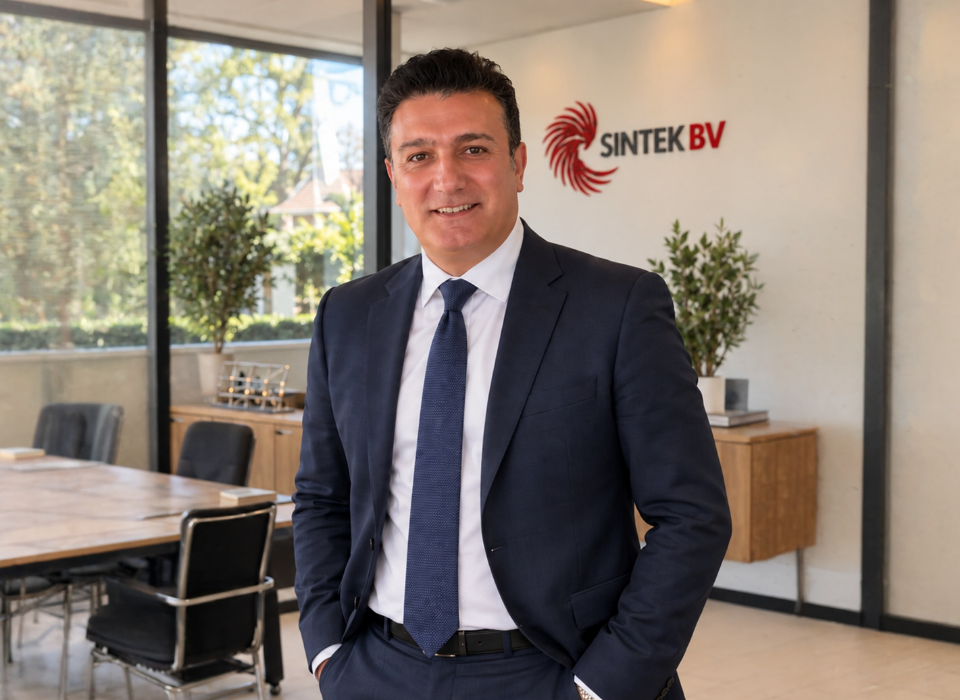
Ömer Karadeniz, Chairman of the Plastic Sanayicileri Federasyonu (PLASFED) Board, noted that the current situation is no longer limited to price increases alone, but reflects a serious breakdown on the supply side.
"Supply contraction directly impacts production"
Karadeniz emphasized that a disruption at the Hormuz route would do far more than increase costs, offering the following assessment:
"Supply contraction means longer delivery times and disrupted production plans. The situation we face today is a risk that directly affects production capacity, beyond mere price volatility."
Global risks directly affect local production
Highlighting Turkey's plastic sector's substantial dependence on imported raw materials, Karadeniz stated that developments in the region cannot be dismissed as a "crisis in a distant geography."
Noting that even the slightest tension in the Strait of Hormuz rapidly pushes energy and petrochemical prices higher, Karadeniz said this situation has transformed from a foreseeable risk into a fragility directly shaking global markets.
Rising cost and financing burden on manufacturers
Karadeniz observed that field impacts are becoming more evident with each passing day, noting rising prices in petrochemical raw materials, extended supply times, and deepening uncertainty.
Stating that this process forces manufacturers to maintain inventory at higher costs, Karadeniz emphasized that the rising financing burden and weakening competitive position are creating serious pressure on the sector.
"Alternative supply is now a necessity"
Karadeniz stressed that rapid and strategic steps must be taken to manage the current situation, saying that activating alternative supply channels and strengthening domestic production capacity are unavoidable:
"In this period of rising global fragilities, steps to reduce our industry's import dependence must be implemented without delay."
Gallery