Çimko–UNICEF Partnership: A Strong Step Toward a Digital Future for Children
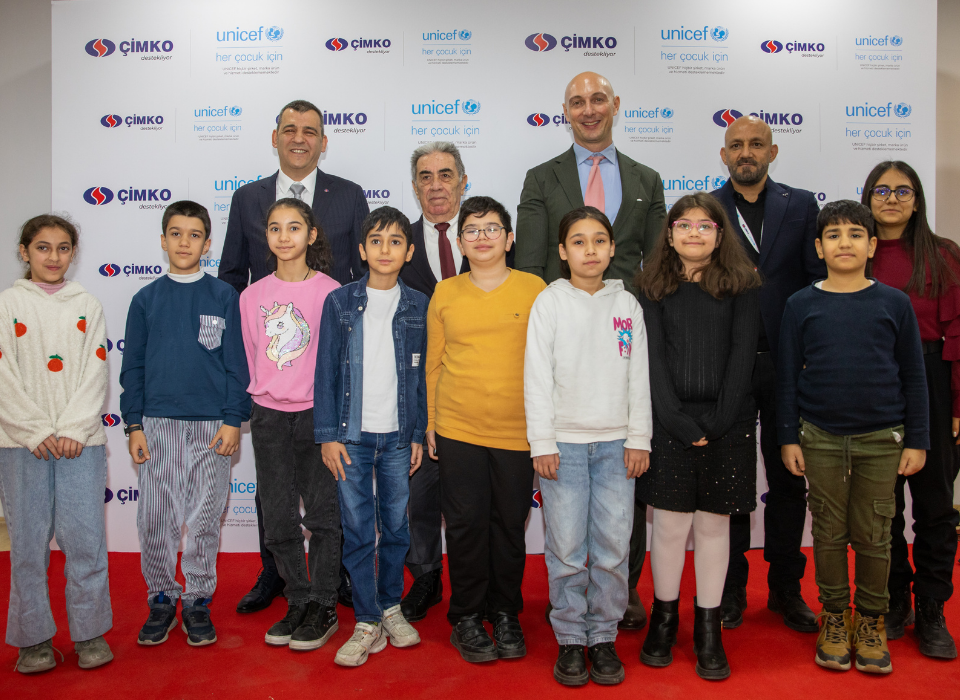
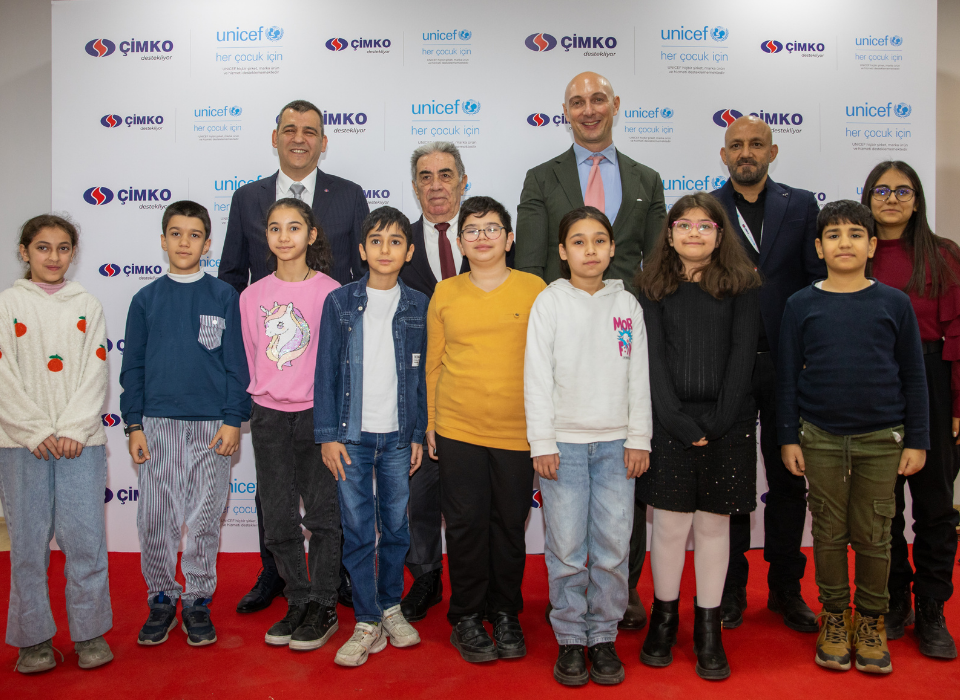
Çimko is launching a new collaboration under UNICEF's MakerUp Programme, which focuses on developing children's skills in making, thinking and problem-solving through technology. The collaboration aims to strengthen the digital skills of children in Southeastern Anatolia, ensure more equitable access to technology, and reach 5,000 children every year.
Çimko is launching a new partnership under UNICEF's MakerUp Program, which focuses on developing children's skills in technology-driven creation, critical thinking and problem-solving. The partnership aims to strengthen digital skills among children in Southeastern Anatolia, ensure equitable access to technology and reach 5,000 children annually.
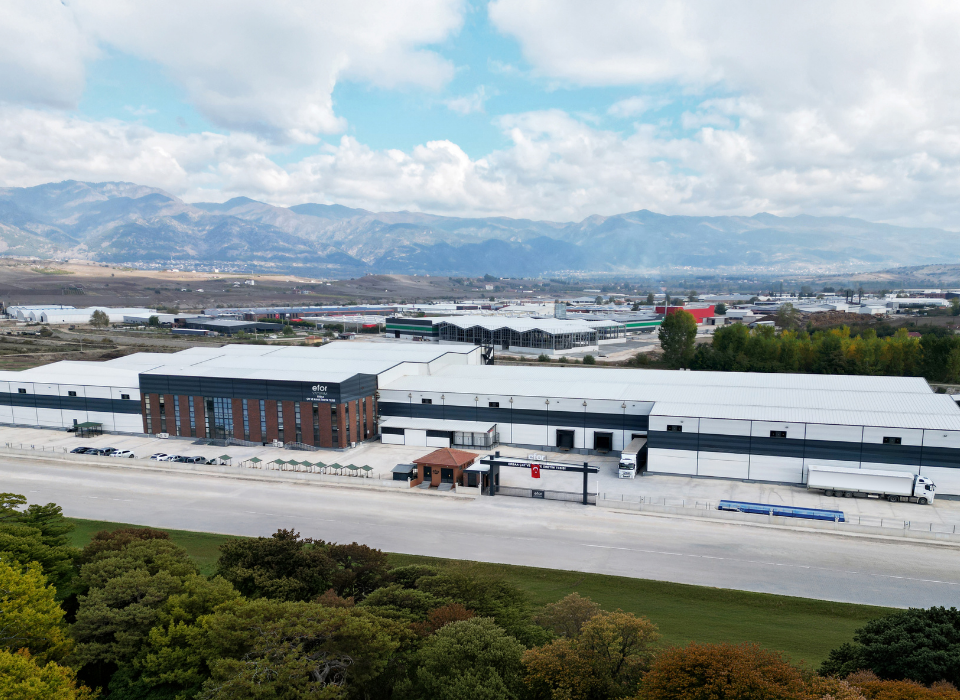
Çimko, a Sanko Holding company operating in the cement and concrete sectors, is implementing a three-year social benefit initiative to enhance digital skills among children in Southeastern Anatolia through its support for UNICEF's MakerUp Program. Serving as a strategic investment in the region's future, the program aims to develop production, critical thinking and problem-solving competencies in children aged 7-14, enabling them to access digital opportunities on more equal terms.
The MakerUp Program offers training in robotics applications, coding exercises, 3D modelling and IoT to support children's development as technology producers rather than consumers. Through the program, children acquire skills such as logical thinking, problem-solving, collaboration and project development, gaining the competencies required in the digital world.
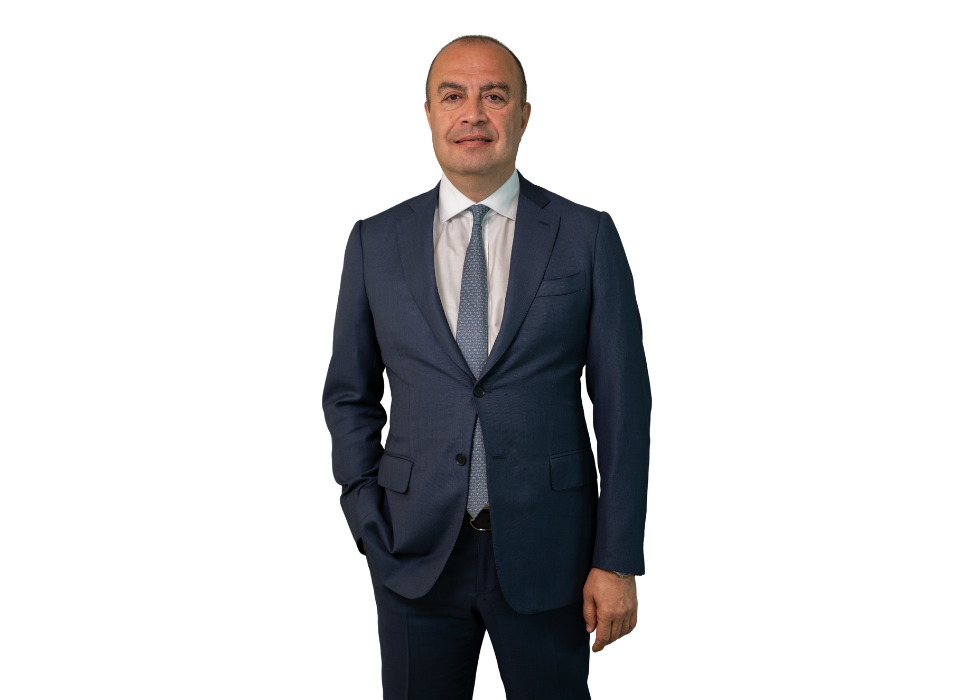
Çimko CEO Dr. Önder Kırca, emphasizing the program's long-term social investment nature, stated: "The MakerUp Program is not just introducing children to technology; it supports their thinking, production and building confidence to chart their own course. Through cooperation with UNICEF's field expertise and extensive implementation capacity, we are not only teaching technology; we are supporting children's abilities to imagine, create and build self-confidence. Our goal is to ensure that children in Southeastern Anatolia can participate in the digital world on equal terms. We believe the productivity and curiosity children develop today will transform into tomorrow's innovative solutions. With the MakerUp program, which we plan to run for three years, we aim to reach 5,000 children annually."
UNICEF Turkey Representative Paolo Marchi stated: "Partnerships with the private sector are among the most fundamental elements for building a brighter future for children. Our collaboration with Çimko demonstrates that by bringing together our knowledge, strengths and resources, we can create lasting and meaningful impact for children and the communities in which they live. This partnership will make an important contribution to strengthening children's access to the skills and opportunities they need for later stages of their lives."
Turkey Development Foundation Board Chairman Aziz Ekşi, pointing to TKV's role as the field implementation partner, said: "Maker classrooms aim not only to introduce children to technology; but to encourage them to experiment, create and develop their own solutions in a safe environment. Such structured spaces serve both a learning and protection function for children. We believe every child, regardless of where they live, has the right to access safe learning environments and opportunities to shape their future."
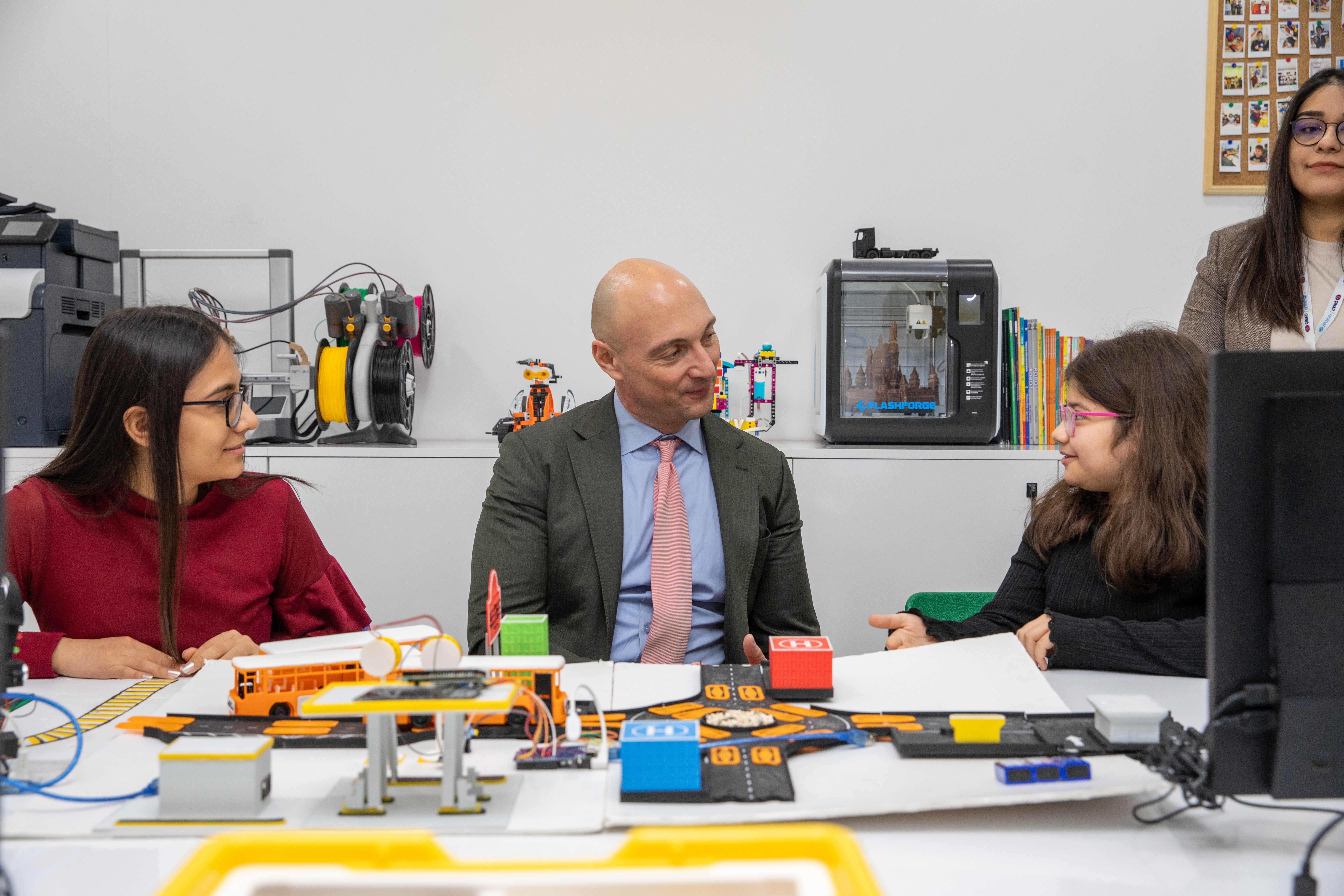
Within the scope of the partnership, fully equipped Maker classrooms were established in Gaziantep Youth Center and Adıyaman Dr. Şerif Ayaz Culture and Education Center. Infrastructure consisting of computers, coding kits, sensors, motor sets, Lego educational materials and 3D printers provides children with systematic and safe learning environments. These classrooms represent a lasting investment that strengthens the region's long-term educational capacity. The program extends beyond city centres, reaching rural areas through a Mobile Maker Vehicle covering Gaziantep, Adıyaman, Kahramanmaraş, Kilis, Şanlıurfa and Mardin. This model aims to provide equal opportunities for children with limited access to technology, reducing barriers to digital development for children in the region.
Gallery