Turkish Pine Honey Prepares for Premium Segment in Global Market
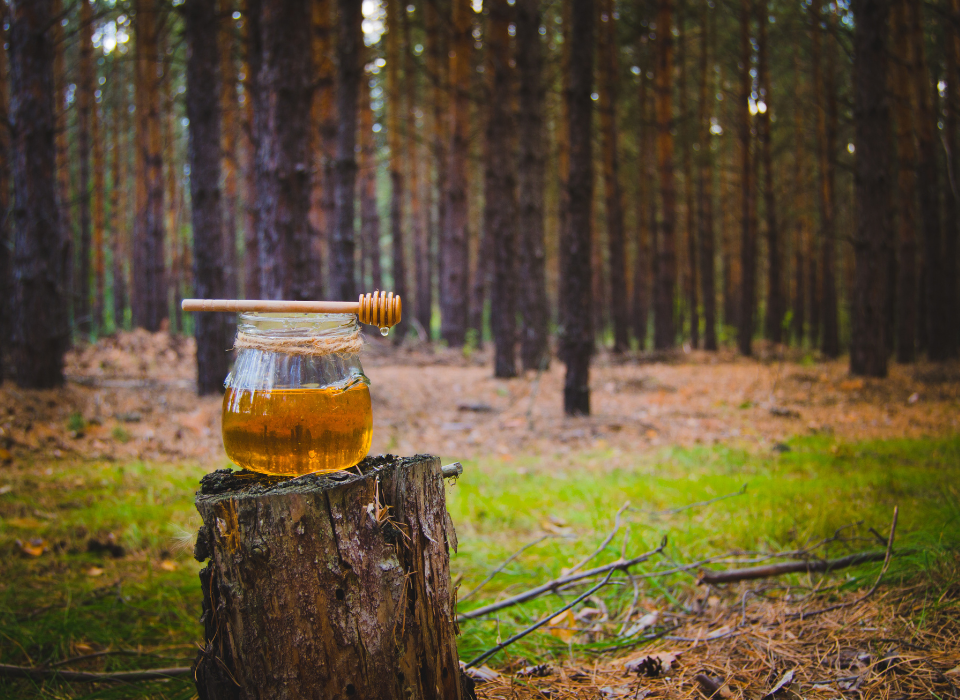
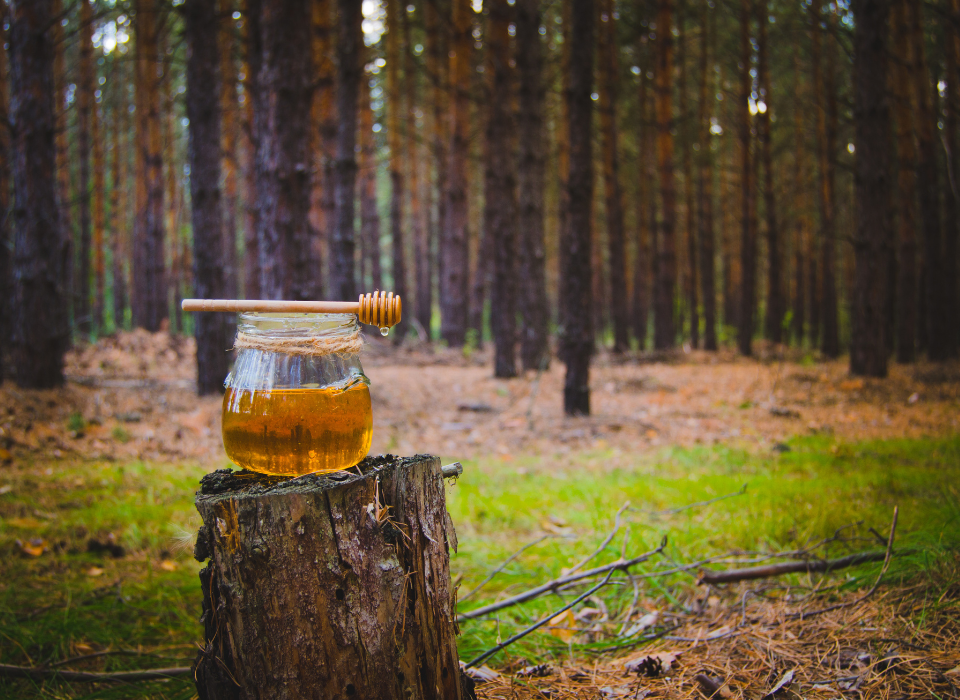
Türkiye ranks as the world's second-largest honey producer, with output approaching 100,000 tons. Accounting for 90% of world production particularly in pine honey, Türkiye is unable to translate its production strength into export revenue to the same extent. With an export volume of USD 33.5 million, the sector ranks 18th in the world and is now taking a new step toward value-added exports.
Turkey, with production approaching 100,000 tonnes, ranks as the world's second-largest honey producer. Supplying over 90 per cent of global pine honey production, Turkey has been unable to translate its production capacity into equivalent export revenues. The sector, ranking 18th globally with export volumes of USD 33.5 million, is taking a new step towards higher-value exports.
Ege Su Ürünleri ve Hayvansal Mamuller İhracatçıları Birliği, which leads in honey exports from Turkey, has begun work on a 24-month research and development project titled "Strengthening the International Competitiveness of Turkish Pine Honey in Global Markets," aiming to position pine honey in the premium segment internationally. The project will be conducted in cooperation with the Ministry of Agriculture and Forestry's General Directorate of Agricultural Research and Policies.
"We Have a USD 250 Million Export Potential"
Bedri Girit, Chairman of Ege Su Ürünleri ve Hayvansal Mamuller İhracatçıları Birliği, emphasised that Turkey's current production capacity points to potential far exceeding current export figures. Noting that the average export price stands at USD 3.9 per kilogramme, Girit stressed the need to close the gap between production capacity and export revenues.
Reminding that despite ranking second in global production, Turkey ranks 18th in exports, Girit noted that China generates USD 265 million in honey exports and New Zealand USD 250 million, adding that Turkey also possesses the capacity to reach the USD 250 million level. He added that increased exports would directly benefit all stakeholders in the beekeeping sector.
"Pine Honey Lacks Sufficient Scientific Definition"
Nedim Kalpaklıoğlu, Board Member of the Association, stated that approximately 25,000 tonnes of pine honey are produced annually in Turkey, particularly in Muğla, as well as in Aydın, Antalya, Balıkesir, İzmir, Manisa and Çanakkale. Kalpaklıoğlu indicated that the lack of scientific foundation is the primary reason pine honey is positioned at low prices in international markets.
Highlighting that bioactive and marker compounds specific to pine honey have not been adequately defined and that there is no internationally recognised standardisation system, Kalpaklıoğlu noted that compounds such as protocatechuic acid (PCA), alpha-pinene and beta-pinene possess high biological potential, but this potential must be supported by scientific publications.
Objective: Moving from USD 3.9 to Premium Segment
Kalpaklıoğlu stated that the project's ultimate goal is to transform Turkish pine honey into a high-value-added product that is scientifically standardised and positioned in the premium segment of international markets, adding that with proper scientific foundation and strategic positioning, pine honey can reach the value it deserves in global markets.
Stating that their objective is to elevate the average export price of USD 3.9 per kilogramme to the premium segment, Kalpaklıoğlu said they aim to bring Turkish pine honey to a level where it can compete with New Zealand-origin Manuka honey.
Protocatechuic Acid (PCA) to Play Critical Role
Kalpaklıoğlu drew attention to Protocatechuic Acid (PCA), one of the key elements determining honey quality and distinctiveness, as one of the most important bioactive marker compounds in Turkish pine honey. Stating that the presence of PCA will be scientifically demonstrated within the project scope, Kalpaklıoğlu indicated this would be critical in terms of:
—Chemical standardisation
—Authentic product verification
—Positioning as a functional food
—Increasing international scientific and commercial value
24-Month R&D Roadmap
Within the scope of the planned project:
—Identification of bioactive and marker compounds specific to pine honey using advanced analytical methods
—Conducting in vivo and in vitro biological efficacy tests
—Establishing the relationship between chemical structure and biological activity
—Development of a scientific classification system based on marker compounds
—Preparation of at least 10 SCI articles and 15 international scientific presentations
are targeted.
Repositioning Turkish pine honey as a scientifically-based, functional and high-value-added export product aims to enhance the sector's global competitiveness.
Gallery