Don't Let Vertigo Become Your Nightmare
The sensation of feeling oneself or one's surroundings spinning is called 'vertigo,' or in other words, 'dizziness.' Sometimes it appears as simple and brief episodes of dizziness, and sometimes it manifests severely enough to directly affect a person's daily life.
Patients may live in fear of being alone at home or on the street due to dizziness problems at any moment. Vertigo directly impacts a person's quality of life.
The most common cause of vertigo is B12 vitamin deficiency. A definitive cause can be identified in approximately 30% of vertigo patients, but in the remaining 70% or so of the majority, no cause can be determined. So, are these patients unable to be treated because the cause cannot be identified?
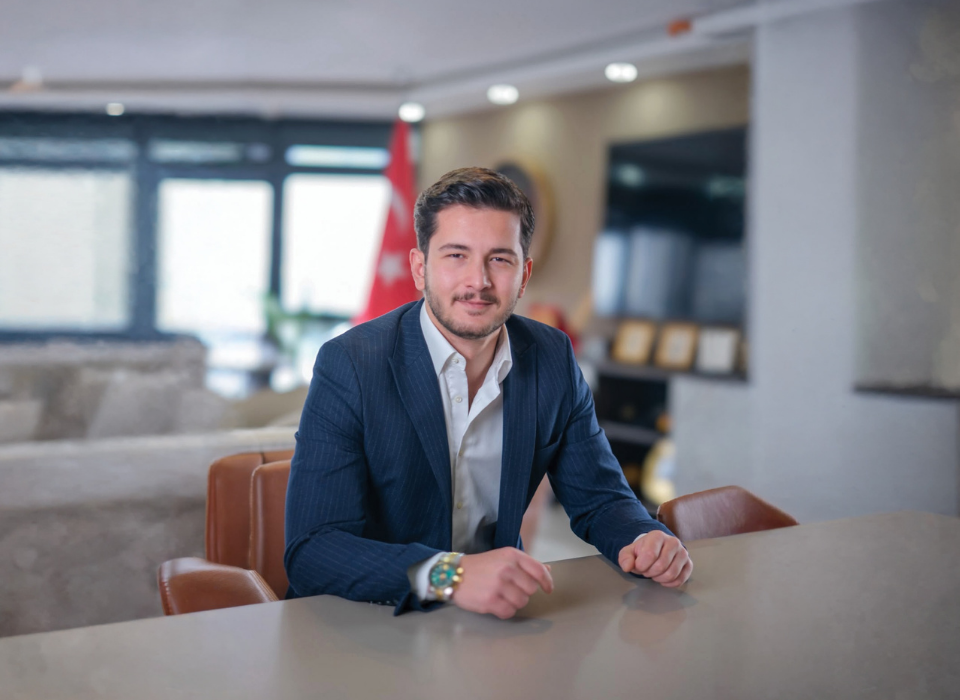
Responding to this question with "Of course, they can be treated," Prof. Dr. Ahmet Koç, Ear, Nose and Throat Specialist at Acıbadem Kozyatağı Hospital, emphasizes that the "vestibular rehabilitation" method is used for these patients.
Vestibular rehabilitation is a good treatment option for vertigo that has become chronic, does not respond to medication treatments, and whose cause is unknown.
With this method, the patient's balance perception in the brain can be remodulated; that is, similar to how a baby learns to walk, methods are applied to the patient that lead to results that alleviate, allow tolerance of, or make them forget the sensation they are experiencing.
Achieving Balance
We maintain our balance by collecting and analyzing all data coming from the balance organs in our inner ears, our eyes, and our musculoskeletal system. For various reasons, the brain's ability to analyze this information can become impaired. This change in perception in our brain causes us to feel dizziness and balance disturbance. The patient tends to sit or lie down for the sensation to pass. When experiencing it frequently, they refrain from moving and walking alone due to fear of falling. Psychologically, anxiety can develop; it can cause some patients to experience anxiety disorders such as panic disorder and major depression.Vestibular Rehabilitation Treatment
This method, which is beneficial in almost all patients with dizziness, is particularly regarded as the most important treatment in chronic patients. Prof. Dr. Ahmet Koç notes that within vestibular rehabilitation, all of the patient's balance measurements are analyzed in a computer environment to first identify the problem causing the dizziness or balance disturbance, and thus the most appropriate tests and treatments to be applied to the patient are determined. Following vestibular rehabilitation treatment, which aims to strengthen the patient's balance system, daily life difficulties such as falls and injuries resulting from balance disturbance are significantly reduced.How Is It Applied?
The vestibular rehabilitation program aims to first help the person become aware of their impaired balance and correct it with the help of specialists in order to restore normal balance. However, since the intensity of this perception and dizziness varies from person to person, the applied program is customized for the patient. For this reason, while it varies for each patient and problem, approximately 15 to 18 sessions of about 1 hour each are conducted. Through these sessions, the patient's balance system is strengthened; all structures involved in balance formation are progressively stimulated to increase and correct their function. In a comprehensive vestibular rehabilitation program, the patient receives practical training in various areas ranging from posture exercises to coordination activities. The program's effects last quite a long time. However, it is possible for balance to deteriorate over time due to reasons such as aging and disease effects. In this case, the rehabilitation program can be repeated.Advertisement
Ad Space728 × 90