Post-Coronavirus "Cleanliness Concerns" May Persist
Coronavirus pandemic has changed cleaning habits, experts note, and this situation may increase anxiety in people with health and cleanliness concerns. Experts emphasize that cleaning and health obsessions may become permanent in those predisposed to them following the outbreak.
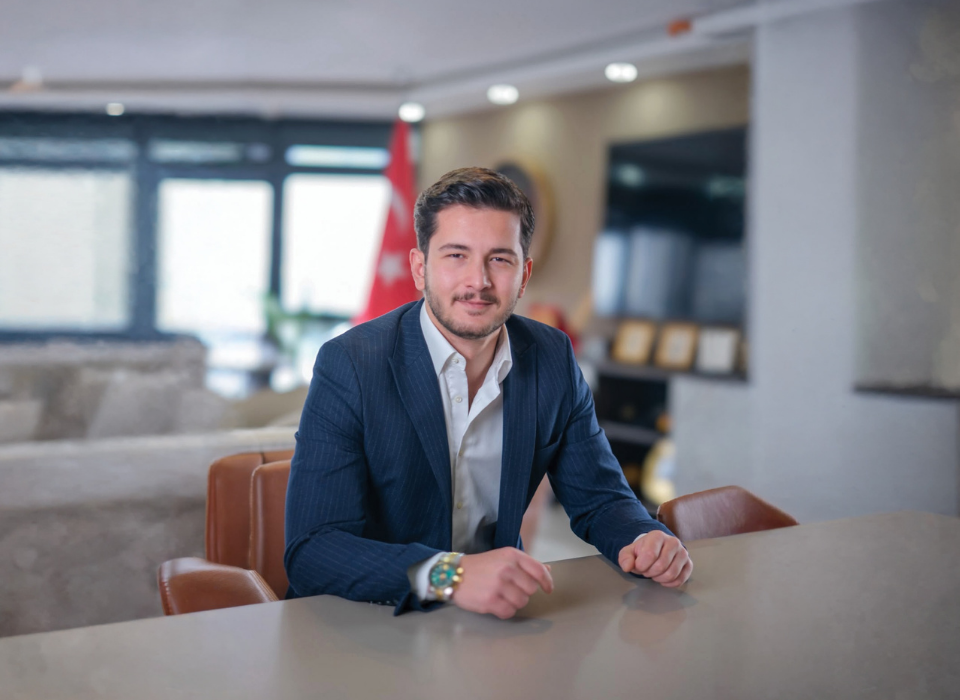
Üsküdar University NPİSTANBUL Brain Hospital Clinical Psychologist Sera Elbaşoğlu said that expert warnings on cleaning and hygiene are being heeded during these days when the coronavirus outbreak is in the news.
Noting that alongside a positive effect such as better awareness on cleaning, it is possible to foresee an increase in anxiety among people with health or cleanliness concerns, Sera Elbaşoğlu stated, "Following the outbreak, there is a possibility of cleaning obsessions and even health-related obsessions appearing in those predisposed to anxiety and obsessions."
Some anxiety is normal and necessary
Clinical Psychologist Sera Elbaşoğlu noted that anxiety in this regard is normal provided it is measured, saying "In the face of COVID-19, which is currently occurring on a global scale and poses a vital risk, it is extremely normal for individuals to feel some anxiety, and it is even necessary as a force driving action to take precautions. However, it should not be forgotten that continuously thinking about this issue or constantly reading news would only be anxiety-increasing behavior and would not provide any benefit in terms of taking precautions."Social distancing and hand hygiene are vital measures
Noting that the measures taken during this period differ from cleaning obsessions in OCD, Clinical Psychologist Sera Elbaşoğlu stated, "Social distancing as recommended by experts and the Ministry of Health, along with frequent handwashing, showering and cleaning objects are not compulsive cleaning rituals but vital measures. In this sense, it should not be forgotten that cleaning obsessions in OCD are precautions against imaginary dirt and germs. As long as the real threat related to COVID-19 persists, all cleaning and protective behaviors recommended by experts should be carried out in the manner, timeframe, frequency and amount they recommend."Behaviors will normalize after the pandemic threat ends
Sera Elbaşoğlu warned, "Once the outbreak ceases to be a threat, it is quite possible to foresee that these behaviors will gradually show spontaneous normalization for the majority. Of course, this period will vary among individuals."Cleaning obsessions may intensify during this period
Noting that people with cleaning obsessions in particular may see an increase in disease-related symptoms during this period, Sera Elbaşoğlu said: "Like nearly all individuals with psychiatric complaints, those suffering from obsessive-compulsive disorder with cleaning obsessions tend to be in a psychologically more fragile state. Therefore, coping with the fear and anxiety during this period may become more difficult and disease-related symptoms may increase. Cleaning and washing compulsions, which are a core feature of OCD, can easily be intensified by the contagious pandemic threat. Additionally, depression rates may also increase. Sleep problems, phobia-like behaviors, panic-like symptoms may result."Adequate information to avoid increasing anxiety
Stating that people with cleaning obsessions need to listen to experts on this matter during this period, Sera Elbaşoğlu said, "They should listen to the recommendations on cleaning and measures that should be taken by authorized public institutions and medical doctors who are experts in this field, and implement them. Even if they feel pressure to do more, they should not do so. It is important to gain adequate knowledge on this matter, but engaging in continuous reading and video watching, like with other people, will increase anxiety and create ground for obsessions to form or intensify."Humans can adapt to any situation
Offering recommendations to navigate this period in the most balanced way, Clinical Psychologist Sera Elbaşoğlu said, "First and foremost, I want to emphasize that it is normal for us to experience a certain level of anxiety during this period, and it is even necessary. Our current cleaning habits, social life and work life differ considerably from our ordinary times. Naturally, we will not feel as we always do. However, it is no secret that humans are quite good at psychological and physical adaptation. Everyone, looking at their personal lives, will remember facing many hardships and still being able to continue with their lives. If we accept that we will not go through this process without any difficulty or distress, we will adapt much more quickly to this psychological state and our unusual everyday life, and we can wait patiently for the end of this process."These recommendations should be heeded
Sera Elbaşoğlu also listed what can be done to get through this period in a more balanced way: "The fact that we are spending time at home while maintaining social distancing rules does not mean we will not socialize. Maintaining social life through internet/phone conversations with family and friends that are not focused solely on COVID-19 news, increasing restricted physical activity levels through activities such as exercise, yoga, meditation that also help mental relaxation, watching films/series, reading books/magazines, visiting museums available online will be beneficial."Advertisement
Ad Space728 × 90