Access to Accurate Information on Cancer Is Crucial
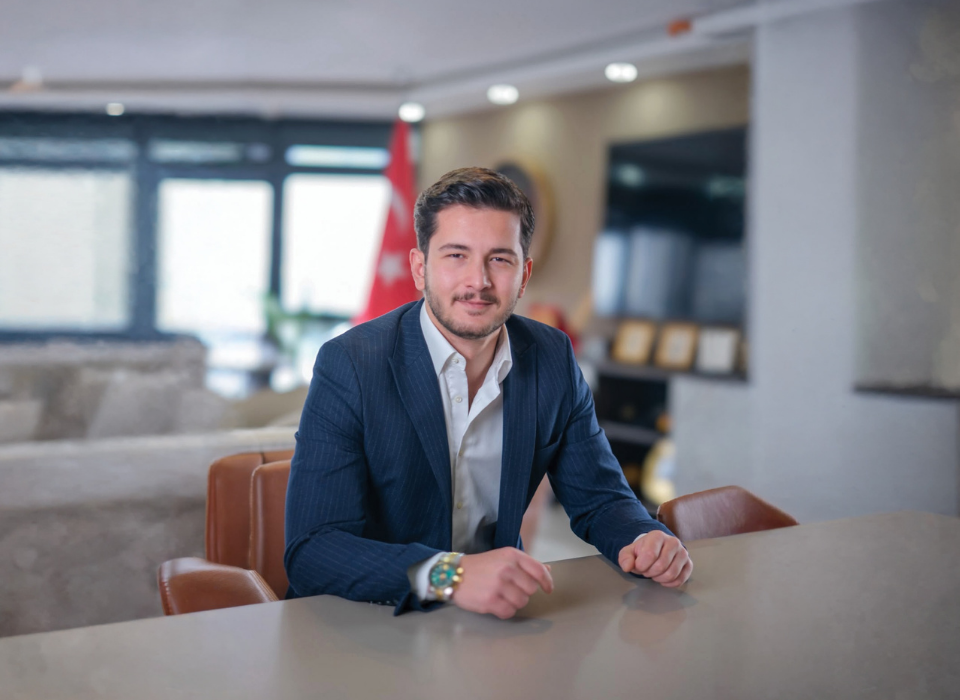
Prof. Dr. Okan Kuzhan, Associate Professor of Internal Medicine and Medical Oncology at Yeditepe University Koşuyolu Hospital, stressed that patients should view their physicians as the sole reliable source of information both for maintaining general health and in treatments.
He points out that failure to do so carries a high risk of encountering unwanted outcomes.
Cancer's ranking among leading causes of life loss worldwide ensures it remains one of the most discussed topics across all platforms.
Prof. Dr. Okan Kuzhan draws attention to how information presented under different headings, particularly regarding nutrition or lifestyle changes, can cause confusion and lead to incorrect behavior among patients.
"Even as we worry about what, how much, and in what order to tell medical school applicants, it is critically important not to expose the public to an information bombardment," said Prof. Dr. Okan Kuzhan. He warned about the most common mistakes patients make based on information they acquire during diagnosis and treatment stages.
Public Health Awareness Must Be Built Systematically
"We see so many statements like 'potatoes are good for cancer,' 'tomatoes protect you against cancer,' or 'carrots trigger lung cancer' that at some point the information starts contradicting itself," said Prof. Dr. Okan Kuzhan, continuing as follows: While certain foods and lifestyles can increase the risk of developing some diseases and may be preventive for others, there would be no problem if this information were delivered to the public systematically, just as we train a medical student. In this sense, "how should one eat in general to avoid developing cancer?" would be a more meaningful question. It is important to alert the public to build general health awareness."Patients Should Regard Their Physicians as the Sole Reliable Source of Information During Treatment
In today's society, information is paramount. However, the information pool on the internet contains both correct and incorrect information. Pointing to the difficulty of obtaining useful and accurate information amid this scattered information bombardment, Prof. Dr. Okan Kuzhan states, "Individuals should not attempt to become their own doctors based on internet information." Emphasizing that managing this information is not possible, Prof. Dr. Okan Kuzhan continues: "It becomes more difficult to correct the prejudices of patients who make incorrect inferences and misinterpretations, and to explain their treatment processes. This can lead to loss of time. However, at this point, we must emphasize that we are talking not about questioning patients, but rather stubborn patients who believe in the accuracy of the information they obtain." Stressing that the cancer diagnosis and treatment process cannot tolerate time loss, Prof. Dr. Okan Kuzhan states, "For this reason, especially during the treatment process, it is important that they accept their physicians as the sole reliable source of information and obtain answers to all their questions from their own physicians."Certain Errors in the Healthcare Sector Also Trigger These Problems
Prof. Dr. Okan Kuzhan noted that based on information they acquire, some patients secretly use food supplements or herbs that have been found to be ineffective, risking their lives and hiding this from their physicians. "Here is the thing: these products can either eliminate the effect of medications the patient is taking or cause side effects. If a patient is taking such additives, supplements, or different products, they must inform their physician. The source of problems is not only incorrect patient habits; certain errors in the healthcare sector also trigger these problems. In this sense, I believe healthcare workers should also 'turn the magnifying glass on themselves,' review their own actions, practice self-criticism, and refrain from making unsubstantiated claims," he said.Advertisement
Ad Space728 × 90