Measures Against Knee Osteoarthritis
Now becoming more common in younger people too!
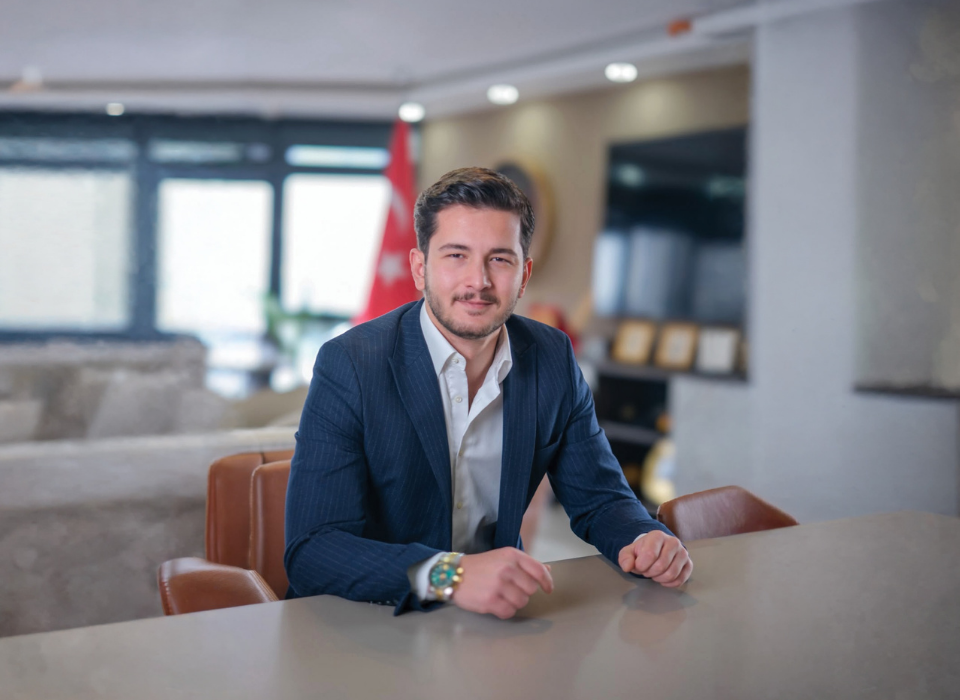
Knee pain, locking, catching, difficulty climbing stairs… Our knees, which bear all the weight of our body, are now deteriorating even at a young age, leading to numerous problems that reduce quality of life. Osteoarthritis, commonly called 'calcification' among the general public, is becoming increasingly prevalent today. Prof. Dr. Tolga Tüzüner, Faculty Member at Acıbadem University and Orthopedics and Traumatology Specialist at Acıbadem Bakırköy Hospital, notes that when a problem occurs with the knee joints, the patient's daily activities and lifestyle are negatively affected. He states that by consulting with a specialist early after experiencing pain, further escalation of the problem can be prevented. Prof. Dr. Tolga Tüzüner explained the measures to be taken against knee calcification and the latest developments in treatment, offering important warnings and recommendations. Only 3-5 mm in thickness, bright and smooth-surfaced unique tissue. Cartilage tissue allows our bones to glide smoothly over each other, making movement easier. It enables us to perform daily activities such as running, walking, and climbing stairs without pain. Unfortunately, today this cartilage tissue is rapidly deteriorating even at a young age. Prof. Dr. Tolga Tüzüner, Faculty Member at Acıbadem University and Orthopedics and Traumatology Specialist at Bakırköy Hospital, notes that in recent years cartilage damage in the knee joint has become a widespread problem. He states: "In today's world, where average life expectancy has increased and people live more actively than in the past, cartilage damage is becoming common even in young people. Since joint cartilage lacks blood vessels and nerve endings, it cannot heal itself in case of any damage and cannot regenerate on its own."Avoid these!
Although joint and cartilage problems occur at different ages for different reasons, they are problems that seriously restrict a person's mobility and reduce quality of life. Loss of smoothness and slipperiness in damaged cartilage leads to pain, swelling, locking, and catching, causing limitations. In addition to situations involving increased strain such as climbing and descending stairs, heavy work, and long walks, these complaints also increase during prolonged sitting positions. Prof. Dr. Tolga Tüzüner notes that excess weight harms the knees and complicates treatment, stating that it is necessary to definitely lose excess weight and reach ideal weight. Emphasizing that sedentary lifestyle today is one of the most important risk factors increasing joint cartilage damage, Prof. Dr. Tolga Tüzüner says that regular exercise must not be neglected. Another mistake we unconsciously make that damages our knees in daily life is standing for long hours in high heels! Prof. Dr. Tolga Tüzüner says that choosing high-heeled shoes increases the load on the cartilage. Therefore, one must be conscious when selecting shoes and avoid high heels that place excessive strain on the knees and strain the biomechanics of the foot.Must be controlled before progression
The fundamental goal in treating cartilage lesions is, without question, obtaining original cartilage. However, to date, high-quality cartilage cannot yet be obtained at the desired level. Nevertheless, stopping the process, preventing progression of cartilage damage, and controlling pain are considered important steps in treatment. "To control pain, we can opt for medication therapies. We also benefit from physical therapy applications to strengthen the muscles around the damaged joint. Additionally, treatments stimulating cartilage regeneration, biological therapy methods, and in advanced stages prosthetic surgeries where joint surfaces are replaced may come into consideration," says Prof. Dr. Tolga Tüzüner, who provided detailed information about PRP and stem cell applications, which are becoming increasingly common in recent times.Does PRP accelerate cartilage healing?
PRP (Platelet Rich Plasma) or 'platelet-rich plasma' as it is otherwise known, is a method prepared from a person's own blood and used in many areas of medicine to stimulate and regulate healing. For the application, blood (between 10-60 ml) is taken from the patient; this blood is separated using special filters and devices, removing unwanted parts. The separated portion contains platelet-rich plasma and dozens of growth factors that contribute to tissue repair and healing. It accelerates healing of structures like tendons and muscles where injury and damage have occurred. Prof. Dr. Tolga Tüzüner, who states "PRP is not a drug and contains no substance other than the person's own blood," notes that unlike drugs, PRP's effect is limited to the area where it is applied and contains no cortisone. Contrary to popular belief, Prof. Dr. Tolga Tüzüner points out that PRP and stem cell therapy are different methods. He emphasizes that for therapeutic use of stem cells, either tissue taken from bone marrow must be concentrated using special techniques, or cells obtained from the patient's own tissues must be produced in a laboratory setting and applied. Prof. Dr. Tüzüner adds that to date there is no clear scientific evidence that PRP applications improve cartilage damage, and it should be used primarily to accelerate muscle and tendon healing.Treatment with your own stem cells
Stem cell therapy is a new treatment approach for cartilage damage. "We view stem cell therapy particularly as an application that can gain time before prosthetic surgery in patients with advanced age and extensive cartilage loss. Stem cell applications have not yet proven themselves in treating joint cartilage damage and remain far from being an alternative to prosthetic surgery, which is applied worldwide with high success rates. Our early-stage clinical applications are quite successful and our long-term expectations are great," says Prof. Dr. Tüzüner, emphasizing that with this method patients achieve significant pain reduction and improvements in joint movement.Surgery is also used
When knee joint calcification reaches advanced stages and pain cannot be controlled by other methods, prosthetic surgery becomes an option. Prof. Dr. Tolga Tüzüner states: "With knee prosthetic surgery, the damaged surfaces of joint cartilage are replaced. After surgery, the patient is relieved of pain and knee movement returns to normal; after surgery, the patient can perform activities such as climbing stairs, cycling, swimming, and long walks without problems. As with all surgical treatments, it is essential that this surgical procedure be performed by an experienced team under optimal conditions."Advertisement
Ad Space728 × 90