PET Is Not Waste, It's the Raw Material of the Future
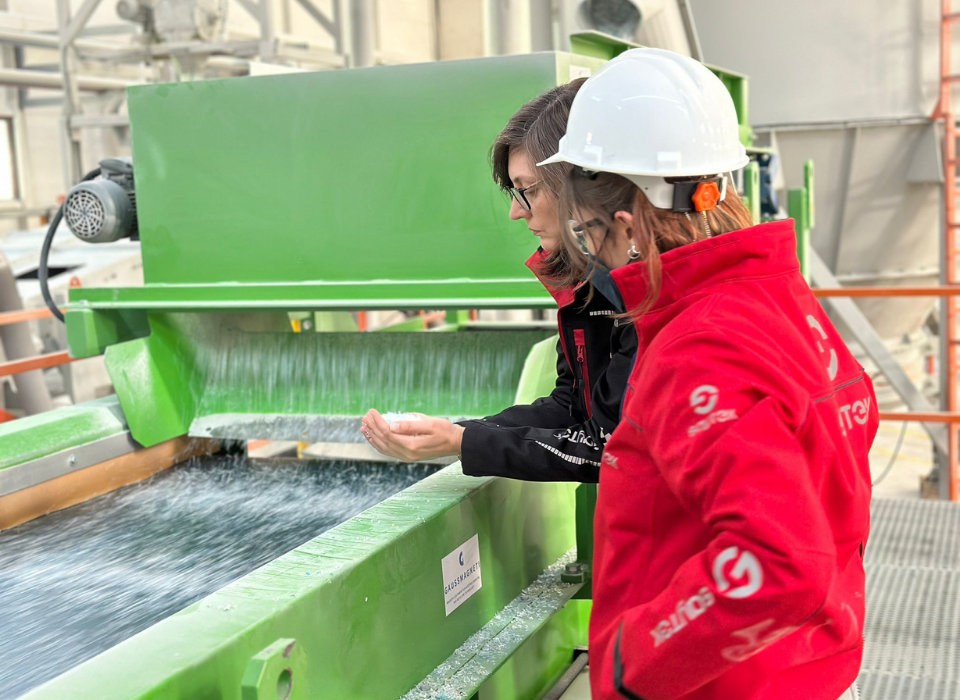
At a time when plastic waste is rising rapidly, the recycling of PET bottles plays a critical role both in environmental sustainability and in creating economic value. Özer Yıldırım, Chairman of the Board of Saytek Medikal ve Plastik Sanayi A.Ş., pointed out that PET is not "waste" but a raw material of the future, emphasizing recycling's contributions to industries and the fight against climate change.
With plastic waste increasing rapidly today, the recycling of PET bottles plays a critical role in both environmental sustainability and economic value creation. Özer Yıldırım, Chairman of the Board of Saytek Medikal ve Plastik Sanayi A.Ş., emphasized that PET is not "garbage" but the raw material of the future, highlighting recycling's contributions to sectors and climate action.
From PET to shoes, t-shirts, jackets and fabric
Yıldırım shared the following information regarding PET's diverse applications:
1 shoe from 11 PET bottles,
1 t-shirt from 9 PET bottles,
1 jacket from 25 PET bottles,
1 metre of fabric from 15 PET bottles can be produced.
Additionally, by recycling just 5 PET bottles, energy savings equivalent to a 60-watt lamp burning for 6 hours are achieved. In this way, PET conversion both reduces carbon footprint and contributes to the protection of natural resources.
Reduces greenhouse gas emissions
Pointing out that recycling is critical in combating climate change, Yıldırım stated:
"By recycling 200,000 PET bottles, 2,168 tons of greenhouse gas are prevented from being released into the atmosphere. If measures are not taken, plastic waste is expected to cause 56 billion tons of carbon emissions by 2050. PET recycling is one of the most effective ways to reduce this threat."
Contribution to circular economy
Noting that PET bottles embody the fundamental circular economy principles of "reduce, reuse and recycle," Yıldırım continued:
"Every recycled PET reduces waste going to landfills, protects natural resources and returns value to the economy. This is not only an environmental gain, but also a social and economic one. If recycling is not done, by 2050 plastics in the seas will outnumber fish. PET is not garbage; it is raw material, and managing it correctly is everyone's responsibility."
Gallery