What You Need to Know About the Intensive Care Process

The belief that patients admitted to intensive care units are close to losing their lives generally leads to panic and pessimism. However, Dr. Tülin Tünel, Anesthesiology and Reanimation Specialist at Anadolu Sağlık Merkezi Hastanesi, pointed out that this assumption is mistaken and made several statements on the subject.
The common assumption that patients admitted to intensive care units are close to losing their lives generally leads to panic and pessimism. However, Dr. Tülin Tünel, Specialist in Anesthesia and Reanimation at Anadolu Sağlık Merkezi Hospital, drew attention to the fact that this assumption is incorrect and provided various explanations on the subject.
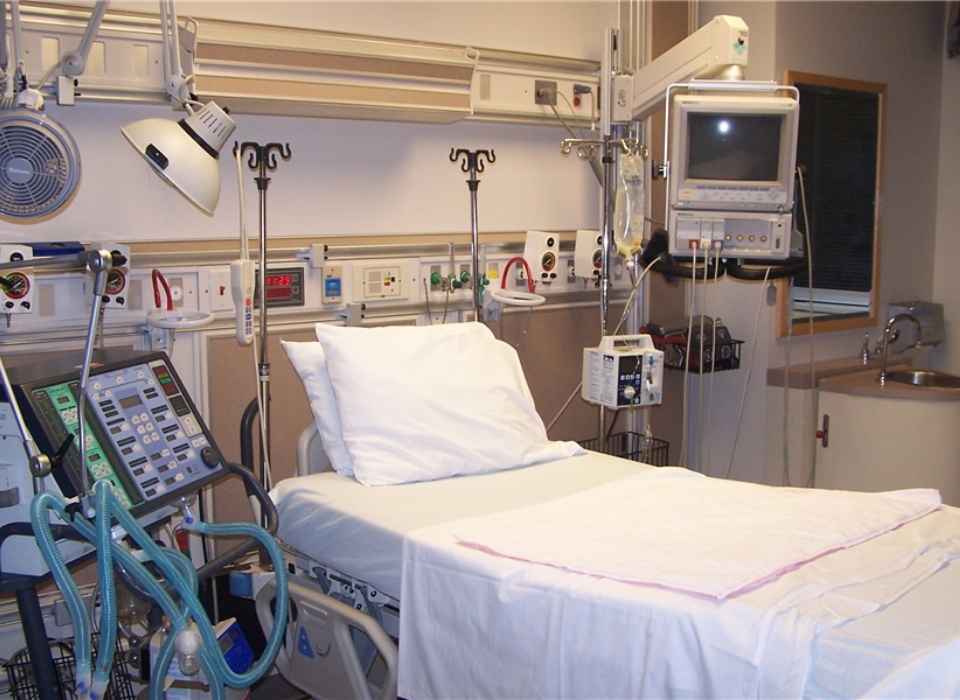
Tünel stated, "A person's critical condition is unique to them, and intensive care may be needed for many treatable health problems. While situations requiring 24/7 observation or intervention, such as severe infections, head trauma, or post-major surgery, may be frightening, they can be controlled through correct and timely interventions. The main interventions in intensive care include monitoring vital functions such as heart rate, oxygen levels and respiratory status, specialized medication treatments, oxygen and nutritional support if needed, and physical therapy and rehabilitation."
The intensive care process is managed by multiple specialties
Citing examples of supportive treatments, Tünel noted that feeding assistance can be provided through a feeding tube or intravenous nutrition solutions, and added, "In cases such as kidney function impairment or what we call severe respiratory failure—severe lung damage—a dialysis-like procedure that regularly cleanses the blood can be used. Patients in intensive care are monitored by a multidisciplinary team. This team typically includes an intensive care physician, an infectious disease specialist, a nutrition specialist, a general surgery team, a chest disease specialist, and if necessary, an oncology physician, physiotherapists and wound care nurses. It is highly valuable for this unit to be managed by experienced teams, since vital functions are involved."
Noting that the length of stay in intensive care varies depending on the severity of the illness and treatment needs, Tünel stated, "Patients can receive intensive care support for anywhere from several days to several months, and in some cases even longer. Additionally, by calculating disease severity using special scoring systems, we can also predict the percentage likelihood that an intensive care patient will recover."
Family members should be informed
Explaining that post-intensive care syndrome is a physical, psychological and cognitive clinical condition seen in patients who have been in intensive care, Tünel said, "Factors such as prolonged bed dependence, nerve damage, anxiety disorder, insomnia, hallucinations, pain, memory problems and decision-making difficulties create the basis for this syndrome. For this syndrome, which lasts an average of five to six months, advance preparation of family members and adaptation to the process is valuable. Comprehensive information should definitely be provided by the healthcare facility, ranging from how family members should provide emotional support to the patient to what methods they can use to detect any deterioration."
Care required in the recovery process
Stressing that the patient's care plans must not be interrupted during the transition from intensive care to home, Tünel said, "Necessary medications should not be neglected, and if a special diet is required, new eating habits should be established. During the recovery process, physical activity under the guidance of physical therapy specialists and the comfort of the rest area should not be overlooked. Additionally, family members should carefully monitor and evaluate symptoms that may appear in the person after intensive care, pay attention to hand hygiene to protect the patient from infections. Another point to note is that psychosocial support becomes important. We absolutely recommend seeking professional help when necessary."
Gallery