Watch Out for Late-Summer Sun Allergy
In the final days of summer, the sun's rays can still be scorching. Don't let sun allergy ruin your last vacation!
As September approaches, we enter autumn psychology, yet the effects of sunny, warm days will continue for some time. Those wanting to close out summer with one last holiday or preferring to vacation in quieter September should be cautious about sun allergy.
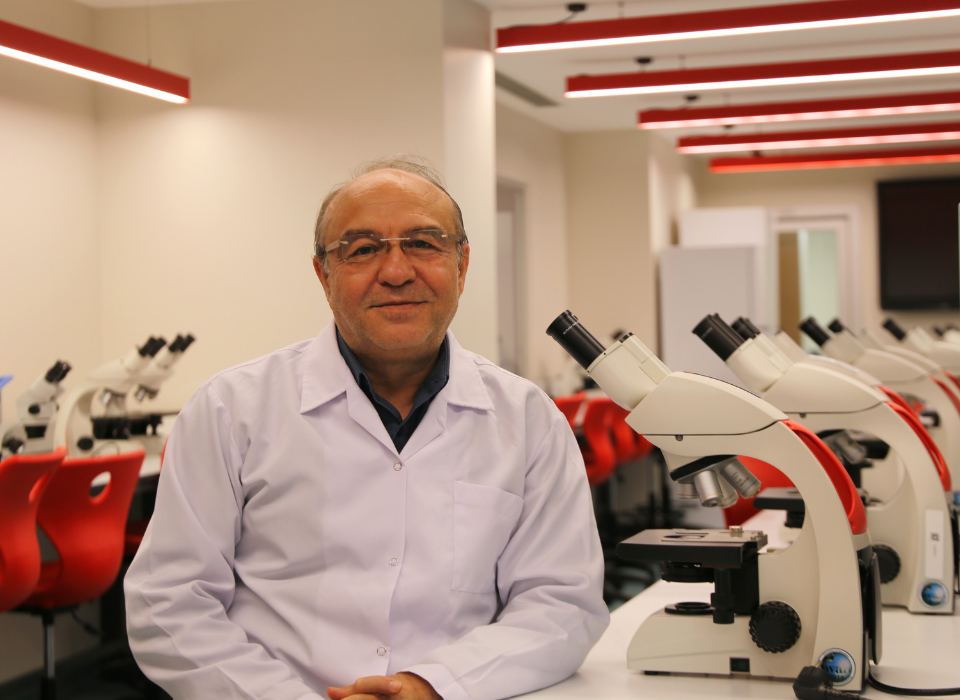
Pointing out the need for vigilance against sun allergy even in the final period of summer, Family Medicine Specialist Dr. İyigün Gedik from LifeClub Healthy Living Services issued the following warnings: "All the harmful effects that sun rays produce on the skin are called photodermatoses. Visible light, various chemicals, cosmetics and ultraviolet rays cause skin reactions and immune system responses. Additionally, certain medication groups we know can trigger sun allergy include antibiotics, chemotherapy drugs, cardiac medications and antidiabetics."
Redness, itching, rash and sensitivity appearing after sun exposure bring sun allergy to mind. There are three types of ultraviolet light reaching our world through the sun. While Ultraviolet A (UVA) and Ultraviolet B (UVB) rays can cause skin sensitivity, aging susceptibility and skin cancer, Ultraviolet C (UVC) rays are relatively more harmless."
Sunburn or Sun Allergy?
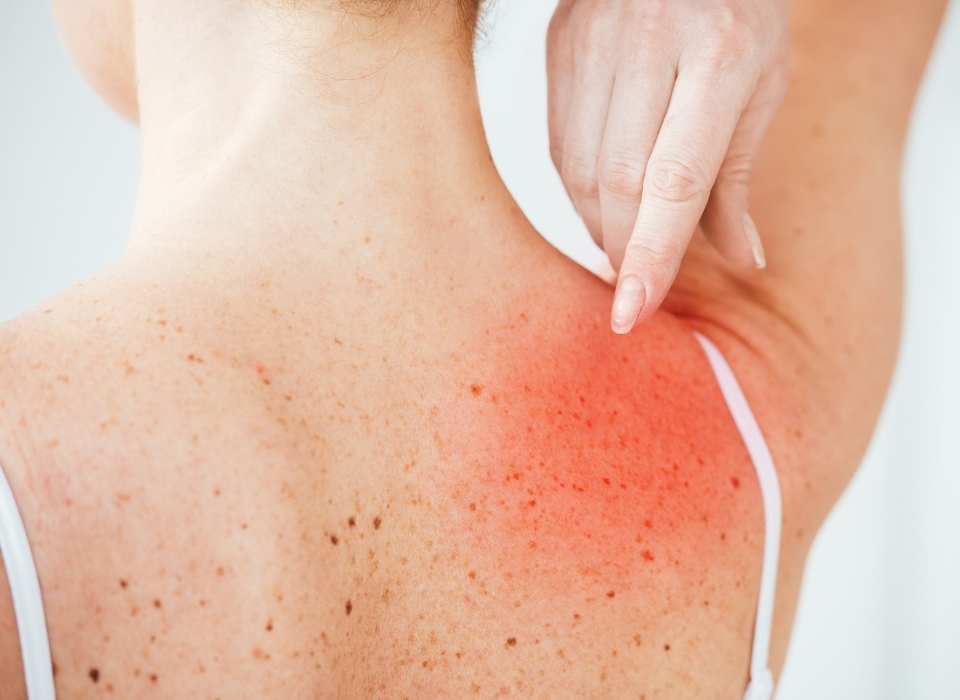
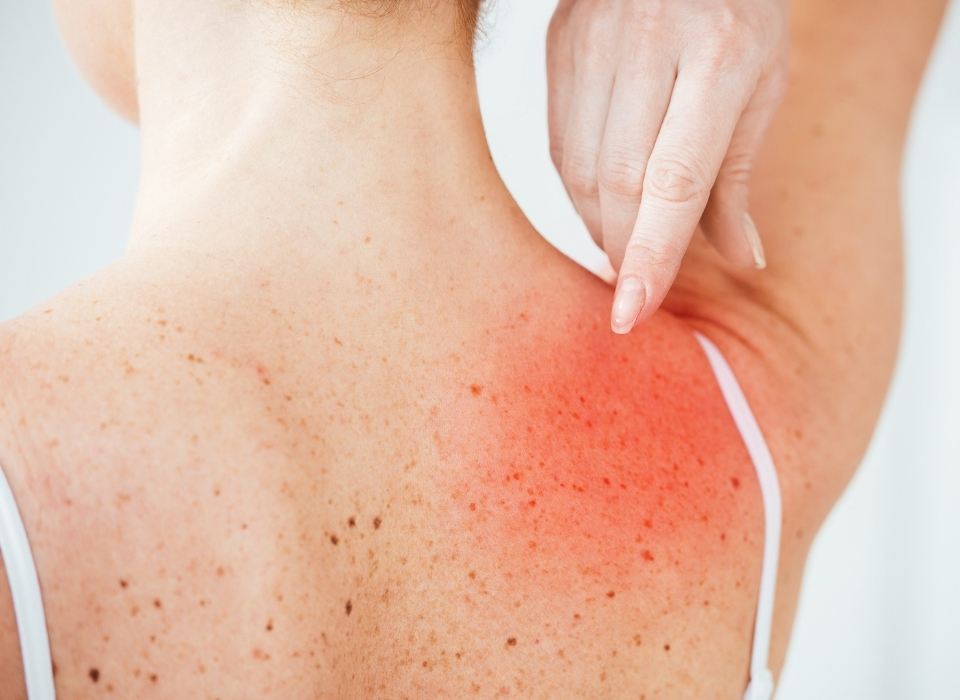
Specialist Dr. İyigün Gedik, regarding distinguishing between sunburns—quite commonly seen in hot weather—and sun allergy, stated: "Sunburns developing from prolonged sun exposure and presenting similar findings to allergies develop over time, whereas sun allergy appears within minutes immediately after sun exposure in skin sensitized by any chemical or cosmetic. The duration of sun exposure, the size of the skin surface and the time of exposure alter the severity of findings. The sun-exposed skin area first reddens, followed by pain, burning and stinging sensations, and increased skin temperature is observed. Hives, defined as itchy bumps, may develop. Several days later, peeling and flaking of the skin is observed. All these findings may also be accompanied by skin edema. Sun allergy diagnosis can be established through physician examination followed by necessary blood tests, phototests and in advanced cases skin biopsy."
How to Protect Yourself?
Family Medicine Specialist Dr. İyigün Gedik from LifeClub physicians, noting that protection from the harmful effects of the sun is possible through simple methods, concluded with these recommendations: "The first way to protect against sun allergy and sunburn will be to avoid sun exposure. Beyond that, using adequate amounts of sunscreen at regular intervals, protecting yourself from the sun between 10:00 and 15:00 hours when sun rays are at their most direct angle, and paying attention to protective clothing and hat use will be important."
Gallery