Technology Reduces the Need for Memorizing Information

Özgenur Taşkın, Specialist Clinical Psychologist at Üsküdar University NPİSTANBUL Hospital, discussed the effects of artificial intelligence and technology on memory.
Üsküdar University NPİSTANBUL Hospital Clinical Psychologist Özgenur Taşkın addressed the effects of artificial intelligence and technology on memory.
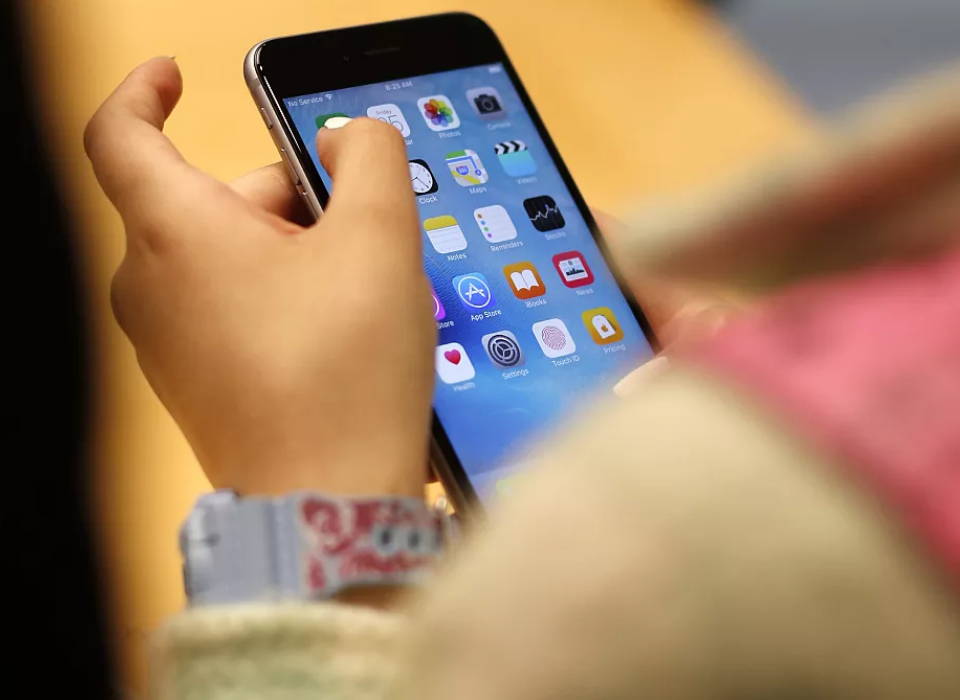
Experts note that while artificial intelligence and digital technologies have made access to information easier, this can have negative effects on memory and learning.
Clinical Psychologist Özgenur Taşkın, emphasizing that easy access to information can weaken attention, learning and the process of acquiring permanent knowledge, said: "If information is just one click away, our likelihood of learning and remembering it permanently decreases." Taşkın, also noting that forgetting tendencies have increased with concepts such as the 'Google effect' and 'digital amnesia', stressed that simply possessing information is insufficient and that passing information through a critical and ethical filter is important.
What matters is how technology is used
Clinical Psychologist Özgenur Taşkın, noting that artificial intelligence and technology can have a dual effect on our memory, said: "This technology provides great benefit in terms of information storage, replacing old encyclopedias in our homes. We can now say that access to information has become significantly easier. But on the other hand, it has increased our dependence on new information, which means we no longer need the skill of retaining information in memory."
Taşkın, reminding that what matters is how individuals use technology, stated that to avoid becoming lazy, we need to carefully process acquired information and filter it through validity and reliability screens.
Learning and remembering easily accessed information becomes harder
Clinical Psychologist Özgenur Taşkın, explaining that the effect showing both positive and negative processes of easy access to information on our memory is called the 'Google effect', said: "Digital amnesia is forgetting information you have saved on your digital devices, while the Google effect is the tendency to forget information you can access online."
Taşkın, stating that "research has shown that when we know we can easily access information online, the likelihood of storing that information in our memory decreases," added: "In other words, if information is just one click away, our likelihood of learning and remembering it permanently decreases. Although this provides many practical advantages in daily life, it also brings some disadvantages in terms of in-depth learning and acquiring permanent knowledge."
Attention, learning and remembering processes require focus!
Clinical Psychologist Özgenur Taşkın, emphasizing that there is a very strong relationship between attention and memory, said:
"For our experiences to be recorded in our memory, we must pay attention to them and give them importance. Attention serves as a gateway for taking information into our minds and processing it. If we do not pay sufficient attention to information, it becomes difficult for it to remain in our memory for a long time. Therefore, focusing attention and making sense of information is of great importance in learning and remembering processes."
Merely possessing information is not enough; knowing how to use it is important!
Clinical Psychologist Özgenur Taşkın, underlining that in a world where we can learn everything, the most important thing that should remain in our minds is multi-directional thinking skills, said: "As access to information becomes easier, our ability to distinguish between correct and incorrect information becomes even more important. Also, knowing how to use the information we learn within the scope of moral values is critical."
Taşkın, also expressing that critical thinking and ethical values are necessary guides not only for learning information but for applying it correctly and beneficially, concluded: "Being able to use the information we learn for the benefit of society and within the framework of ethical rules truly makes information meaningful and valuable. Merely possessing information is not enough; knowing how to use it makes us more conscious and responsible individuals in the information age."
Gallery