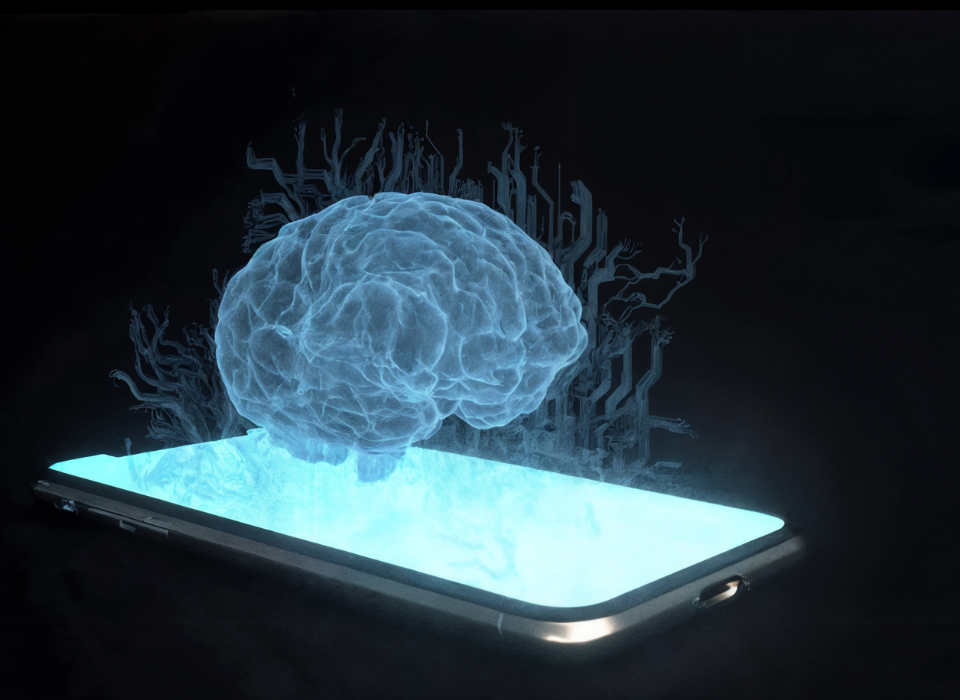
Does Social Media Weaken Attention and Memory?
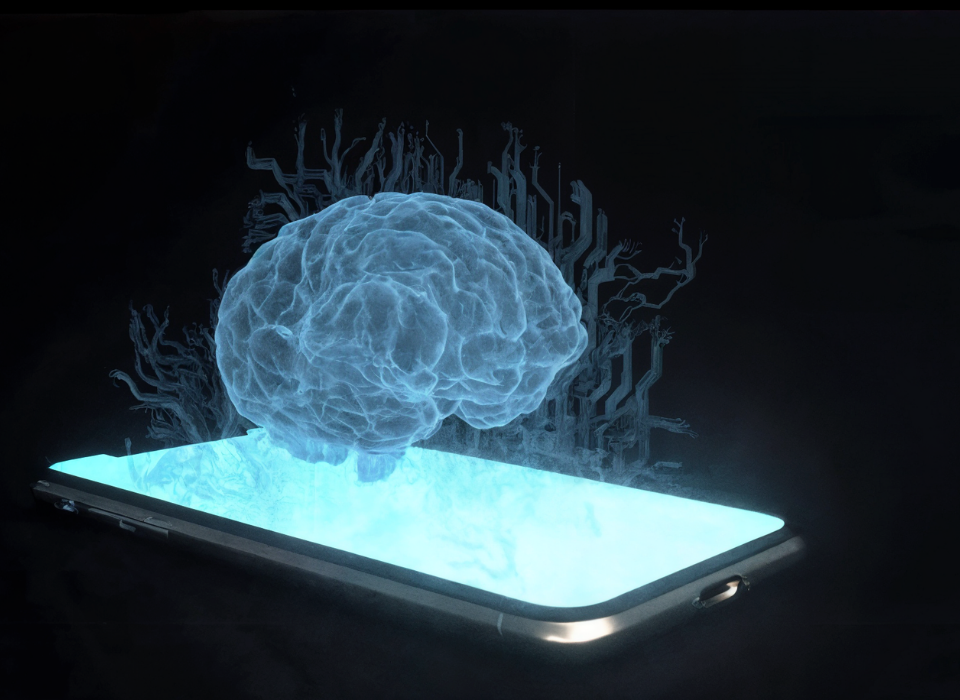
Reaching for the phone as soon as you wake up, checking the screen dozens of times during the day, and scrolling through social media before falling asleep at night… According to experts, these routine behaviors of the digital age are no longer just habits; they are part of a significant transformation affecting attention and memory processes.
Reaching for your phone the moment you wake up, checking your screen repeatedly throughout the day, browsing social media before bed at night… These routine behaviors of the digital age are no longer mere habit; according to experts, they are part of a significant transformation affecting attention and memory processes.
Rising problematic social media use on a global scale and screen time limits set by the World Health Organization (WHO) for children demonstrate that this issue has reached the level of public health concern. Research shows that simply having a phone on the table can reduce cognitive performance.
"Attention declines even when the phone is on the desk"
Murat Kurt, Associate Professor at Acıbadem University Department of Psychology, notes that excessive and uncontrolled use of social media can have negative effects on attention and memory.
Prof. Dr. Murat Kurt states that intensive use, particularly among children and adolescents, shortens attention span and increases multitasking habits, making it difficult to focus. "Spending time simultaneously on multiple platforms and constant notifications cause attention to scatter. Even with the phone turned off, its presence in the field of view can occupy part of mental resources," he says.

Increased social media use correlates with increased forgetfulness
Research shows that problematic social media use is associated with absentmindedness and forgetfulness in daily life. This is often linked to "fear of missing out" (FoMO).
According to Prof. Dr. Kurt, for memory to function well, attention must work properly and learned information must be reinforced:
"Memory is like a muscle; it requires repetition and focus. Continuously changing content streams and short videos leave information at the surface. We think we are learning, but we are not actually storing it."
Short-form content reduces patience thresholds
Kurt notes that social media likes and notifications cause frequent dopamine releases, which can lead the brain to become accustomed to instant rewards. "Consuming short and fast content can make reading a long text or solving a complex problem difficult. The risk is particularly pronounced in individuals in developmental stages."
Attention is also drawn to the potential link between excessive and uncontrolled use and psychological problems such as depression, anxiety, attention deficit, sleep problems, and social isolation.
"Digital amnesia" and multitasking misconception
Prof. Dr. Kurt also addresses the concept of "digital amnesia," frequently discussed in the digital age:
"When information is always accessible, the motivation to retain it in mind diminishes. Now we remember where to find information rather than remembering the information itself."
Emphasizing that the brain cannot perform two difficult tasks simultaneously with full efficiency, Kurt points out that multitasking actually means rapid switching between tasks, with mental energy loss occurring at each switch. He notes that this reduces performance and learning quality.
Early exposure in children increases developmental risk
Kurt notes that early exposure to mobile devices can impact development, stating that intense screen exposure at young ages can weaken opportunities for motor and sensory development and may negatively affect imagination and creativity.
Solution: Conscious technology management
According to experts, the solution is not to avoid technology altogether, but to develop conscious and controlled usage habits.
-Limit recreational screen time
-Turn off notifications
-Keep your phone out of sight
-Stop using screens at least 1 hour before bedtime
-Create "screen-free focus blocks" during the day
-Increase activities that actively exercise memory, such as reading books and taking notes
Prof. Dr. Kurt emphasizes the importance of conscious use, stating: "Technology is not our enemy. However, when uncontrolled, it can quietly erode our mental capacity. Attention and memory are cognitive treasures that must be protected."
Gallery