Rice-Fish Co-Culture May Help Control Schistosomiasis While Boosting Food Production
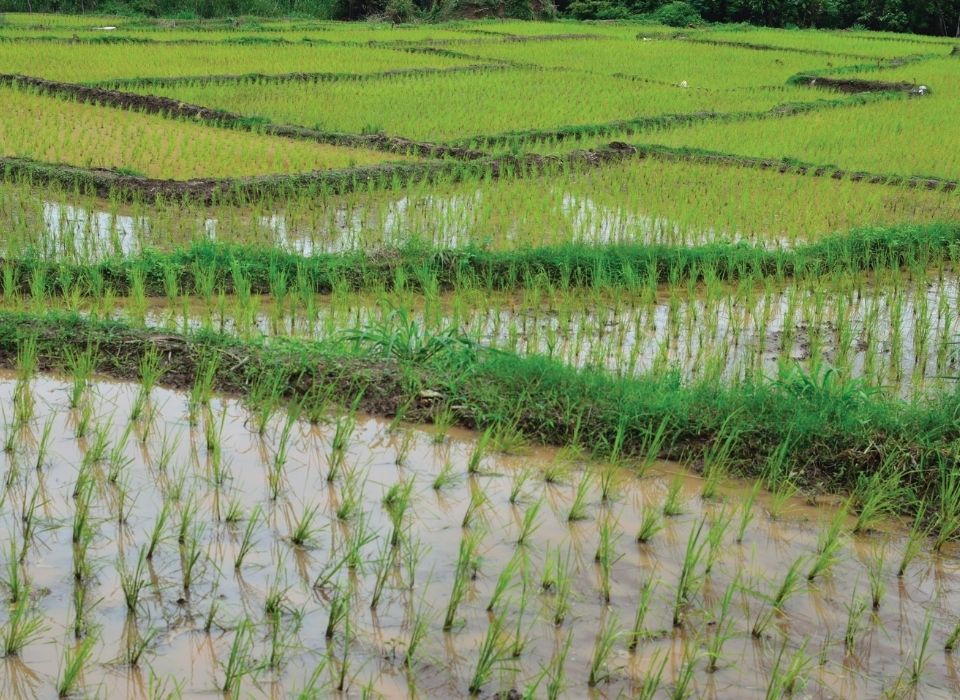
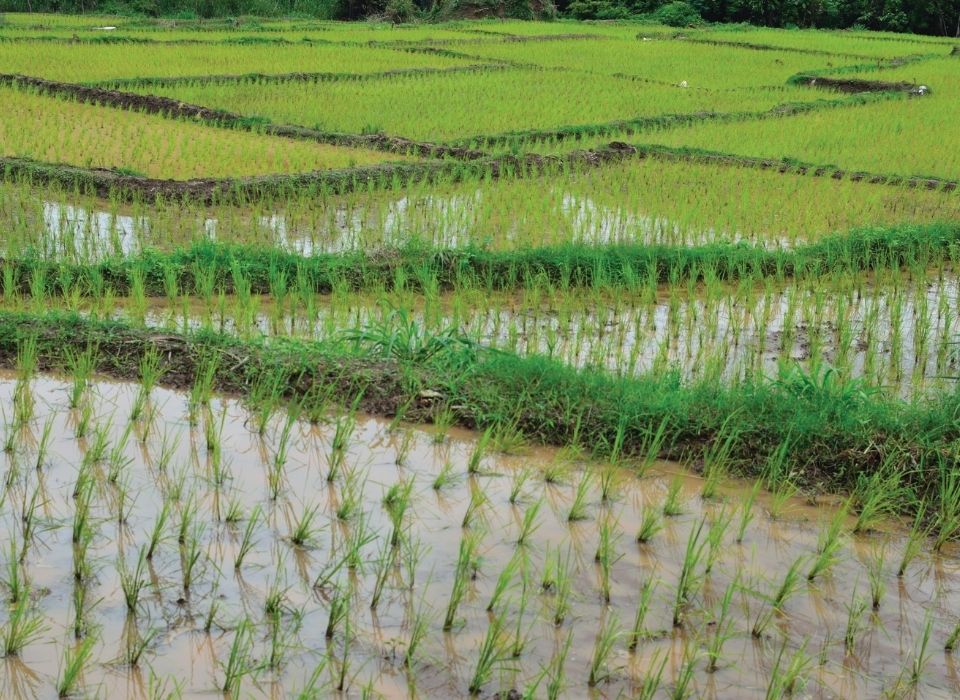
Schistosomiasis, a chronic disease, has devastating effects on more than 220 million people worldwide, with the vast majority of cases occurring in Sub-Saharan Africa. Despite decades of mass drug administration campaigns, schistosomiasis remains one of the world's most common neglected tropical diseases. Because the parasitic worms that cause the disease are spread through freshwater snails found in the stagnant waters of rice paddies, rice farmers and their families are particularly at risk. A new study published in the journal Nature Sustainability examined how rice-fish co-culture, an intervention technique involving the introduction of fish into rice paddies, could help reduce disease prevalence and poverty across the northern Senegal River basin, a major focal point for schistosomiasis.
Schistosomiasis, a chronic disease, has devastating effects on more than 220 million people worldwide, with the vast majority of cases occurring in sub-Saharan Africa. Despite mass drug administration campaigns sustained over decades, schistosomiasis remains one of the world's most neglected tropical diseases. Because parasitic worms that cause the disease spread through freshwater snails found in stagnant waters in rice paddies, rice farmers and their families are at particular risk. New research published in Nature Sustainability examined how rice-fish co-culturing, an intervention technique involving stocking fish in rice paddies, could help reduce disease prevalence and poverty along the northern Senegal River basin, a key focus area for schistosomiasis.
Jason Rohr, the Ludmilla F., Stephen J. and Robert T. Galla College Professor of Biological Sciences at Notre Dame University and corresponding author of the study, said, "One of the most exciting aspects of this research is that it shows we don't always have to make a choice between improving human health, increasing food production and protecting the environment. By reintroducing native fish to rice paddies, we can reduce disease transmission while helping farmers produce more food and earn additional income. These kinds of win-win-win solutions are rare, but they are exactly what sustainable development requires." Using data from more than 400 households in rural Senegal, researchers found that disease prevalence in children of rice farmers was higher compared to children of non-farmers. This finding demonstrates that rice farmers and their families face higher risk of infection with the disease. Although a drug exists that can treat the disease, it cannot prevent reinfections that continuously occur and contribute to the poverty-disease cycle. To reduce disease transmission, the research team led by Rohr introduced African bony fish and Nile tilapia into rice paddies. These two native fish species naturally suppress snail populations by eating snails or competing with them for resources. In two trials, the team found that both species thrived even though the fish were not actively fed. Researchers determined that in fields containing both fish species, there were fewer snails that host parasites causing the dominant form of schistosomiasis in the region. Fewer snails can reduce infection risk for rice farmers and their families. However, the benefits of the intervention extended beyond disease transmission. The research team also found that the intervention increased rice yields by more than 25 percent and improved soil nutrients in rice paddies; and in addition to all this, offered a potential secondary income source through the sale of harvested fish.
Emily Selland, lead author of the study and a graduate student at the Rohr Laboratory at Notre Dame, said, "For me, the most meaningful aspect of this study is that we took an agricultural technique used in other regions and expanded it into the field of infectious disease transmission." "By designing a sustainable and highly interdisciplinary solution, we can both combat schistosomiasis and support the development of these communities."
Researchers believe the initial findings are promising and additional studies are currently underway. Rohr, a member of Notre Dame's Eck Global Health Institute and Environmental Change Initiative, said, "The next step is to determine how this approach can be scaled up in rice-growing regions where schistosomiasis is endemic. If these results hold up, rice-fish co-culturing could become a model for simultaneously addressing health, food security and poverty." In addition to Rohr and Selland, other co-authors of the study include Alexandra Sack, formerly at Notre Dame; Nicolas Jouanard, Amadou Guisse, Momy Seck and Louis Dossou Magblenou from Station D'innovation Aquacole; Andrea J. Lund and Giulio A. De Leo from Stanford University; David López-Carr from University of California, Santa Barbara; and Molly J. Doruska and Christopher B. Barrett from Cornell University. The study was funded by the National Science Foundation, Notre Dame Poverty Initiative and Stanford Sustainability Accelerator's Biology for Sustainability program.
Source: by Brandi Wampler / https://news.nd.edu/news/rice-fish-farming-may-help-curb-schistosomiasis-while-increasing-food-production / Publication details / Emily K. Selland et al, Rice–fish co-culturing reduces schistosomiasis risk and increases yields and incomes, Nature Sustainability (2026). DOI: 10.1038/s41893-026-01833-8 / Journal information: Nature Sustainability
Gallery