Autism Spectrum Disorder: Early Awareness Plays a Decisive Role in Children's Development
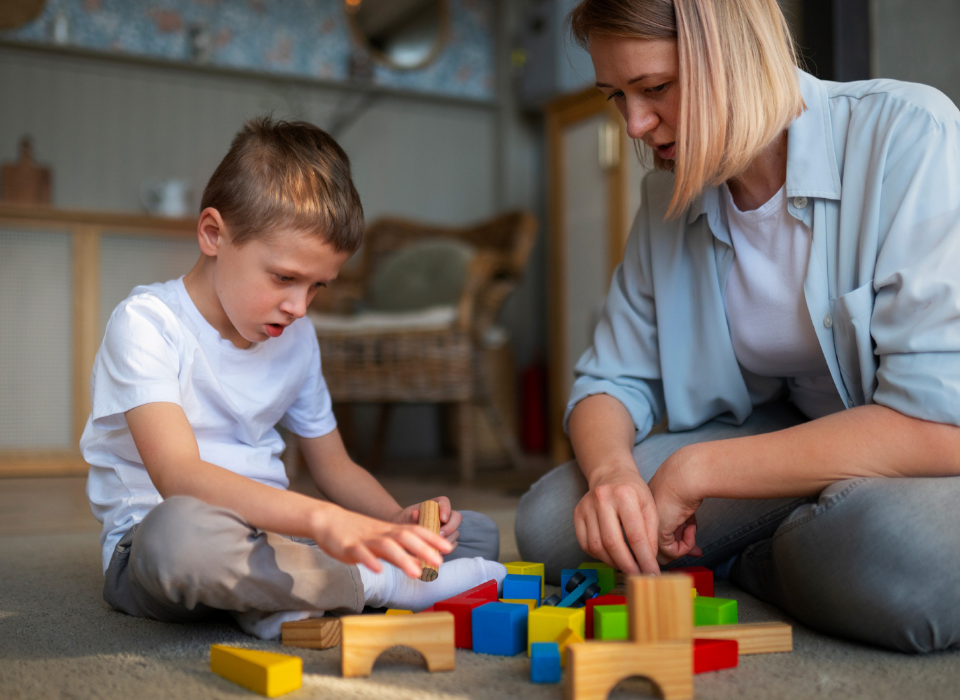
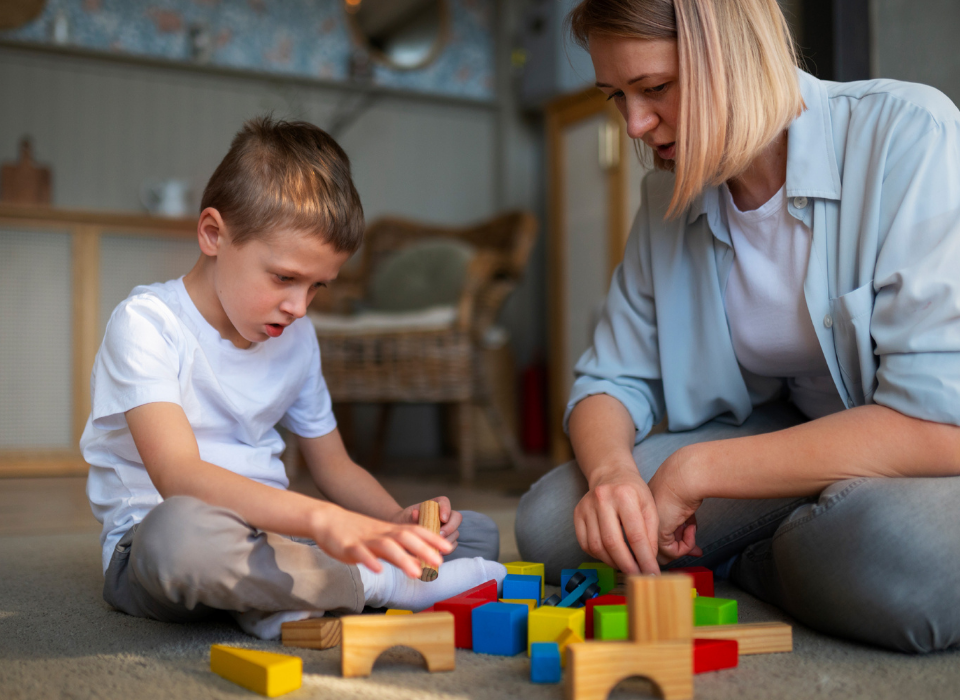
Autism Spectrum Disorder (ASD) is defined as a neurodevelopmental condition that emerges in childhood and is characterized by differences in an individual's social communication, interaction and behavior patterns. It is now widely accepted that autism cannot be explained by a single symptom or a uniform presentation, and that it must be understood within a broad spectrum that can appear at different levels and with different characteristics in each individual.
Autism Spectrum Disorder (ASD) is defined as a neurodevelopmental condition that emerges in childhood and is characterized by differences in an individual's social communication, interaction, and behavioral patterns. Today, it is widely accepted that autism cannot be explained by a single symptom or presentation type; rather, it should be understood as a broad spectrum in which differences can be observed at varying levels and with different characteristics in each individual.
Dr. Fikret İşbilir, Pediatrician at Batıgöz Balçova Surgical Medicine Center, emphasizes that increased public awareness of autism plays a decisive role in children's developmental processes.
Autism Begins to Show Signs in the Early Years of Life
Autism symptoms typically begin to be noticed between the first 12–36 months of life. However, the timing and manner in which symptoms appear can differ in each child. While developmental differences catch attention very early in some children, they may become more apparent in others during the preschool or school years.
This demonstrates that autism is not specific to only one age; the timing of its recognition is directly related to the child's developmental process. For this reason, it is important for parents to monitor their children's individual developmental milestones rather than comparing them to their peers.
Autism is a Neurodevelopmental Difference
Individuals with autism may experience difficulty in establishing social interaction, limited eye contact, differences in the use of gestures and facial expressions, and difficulty maintaining reciprocal communication. Additionally, repetitive behaviors, excessive adherence to routines, and concentration on specific areas of interest are common characteristics found in the autism spectrum.
While some children develop heightened sensitivity to sensory stimuli such as sound, light, and touch, others may show lower-than-expected responses to these stimuli. These differences indicate that autism is not limited only to externally observable behaviors; it is a condition related to the developmental functioning of the brain.
Autism Does Not Have a Single Cause
The causes of autism cannot be explained by a single factor today. Scientific research shows that genetic predisposition plays an important role; however, a complex interaction with environmental factors is involved. Differences in the development of certain brain regions and the functioning of neural networks can affect social communication and behavioral regulation processes.
Views commonly expressed in society—that autism results from parenting attitudes, child-rearing practices, or vaccines—have no scientific basis. Such misconceptions can lead to unnecessary feelings of guilt and anxiety in families.
Symptoms Vary by Age and Do Not Progress the Same Way in Every Child
During infancy, limited social smiling, difficulty establishing eye contact, and failure to respond to one's name may be early signs that attract attention. Around age two, lack of speech onset, absence of pointing and imitation behaviors may become more apparent.
During childhood and adolescence, difficulty adapting to social environments, difficulty participating in group play, and limitations in expressing emotions may come to the fore. In some individuals, autism symptoms are not noticed during childhood and diagnosis may be brought up in adulthood.
The Goal in Autism Treatment is to Support Potential
There is no treatment method that can completely eliminate autism. However, supportive approaches started at an early stage can positively affect the child's development of communication, social, and daily living skills.
Particularly in the early years of life, the brain's high learning capacity increases the importance of early awareness and guidance. With appropriately planned supports, children can strengthen their independent living skills.
Family Approach is One of the Fundamental Building Blocks of the Developmental Process
Patience, consistency, and understanding are important in communication with children who have autism. Creating predictable routines in daily life, using simple and clear language, and supporting positive behaviors help the child feel more secure.
Families collaborating with health and education professionals facilitates the integration of supports tailored to the child's individual needs into daily life. During this process, emotional support for family members is also important for long-term adaptation.
"When autism is detected early, it allows for planning supports appropriate to the child's developmental needs. Families must carefully monitor their children's development and seek expert evaluation without delay when they have concerns. As public awareness of autism increases, children's and families' adaptation to life also improves."
Gallery