Beware of the 10 Risk Factors Linked to Cancer
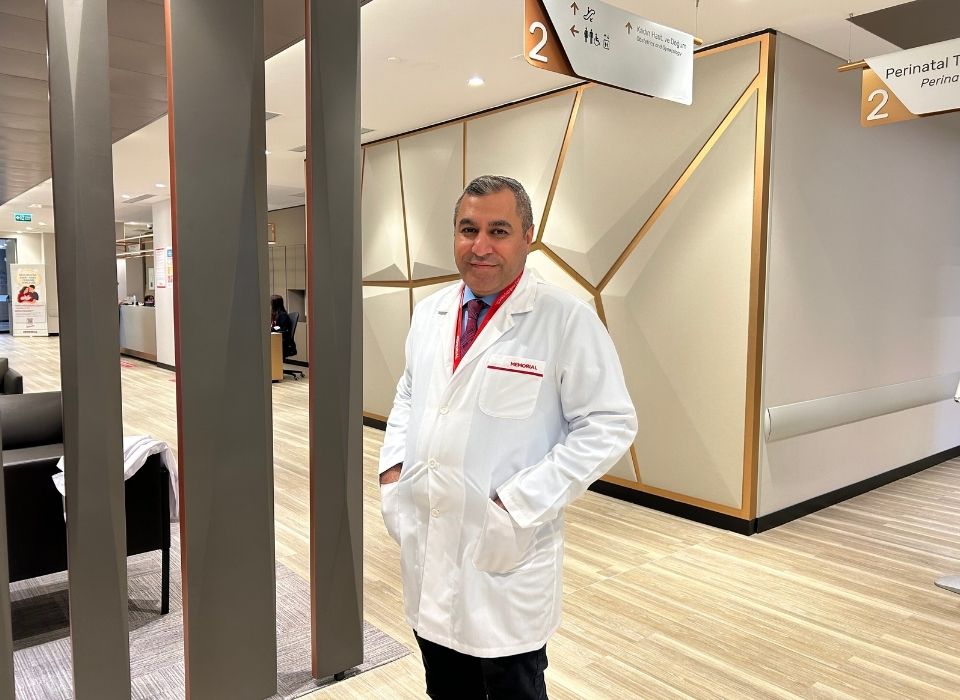
Prof. Dr. Hakan Harputluoğlu from the Medical Oncology Department of Memorial Bahçelievler Hastanesi provided important information on ways to protect against cancer.
Prof. Dr. Hakan Harputluoğlu from Memorial Bahçelievler Hospital Medical Oncology Department provided important information on cancer prevention methods.
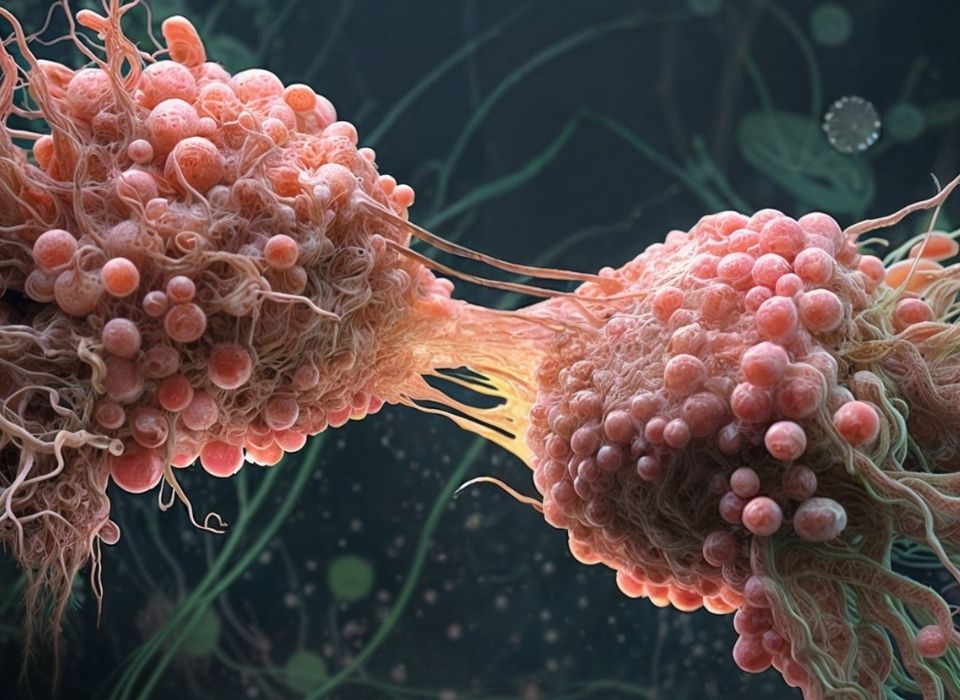
The human body is made up of billions of cells. In a healthy body, cells renew slowly and regularly, while cancer is known as a disease that develops from abnormal and uncontrolled growth of these cells. This uncontrolled cell growth can lead to the formation of a lump or mass called a tumour. To prevent cancer from negatively affecting quality of life and lifespan, scientific studies are carried out every day and new methods are being applied to improve patient comfort.
Ten risk factors that create a foundation for cancer
According to findings obtained from research conducted by numerous organizations and scientists engaged in fighting cancer, various factors play a role in cancer development. These can be listed as follows:
1. Smoking and tobacco use
2. Alcohol
3. Lack of physical activity
4. Eating habits or uncontrolled weight
5. Family history and genetics
6. Chronic inflammation
7. Hormones
8. Immunosuppression (Immune system disorder)
9. Age
10. Exposure to environmental factors (radiation, sunlight, chemical factors, viruses or infections)
While cancer is a disease that can develop when triggered by environmental factors, it is also inherited genetically. Particularly if first-degree relatives have a medical history related to this disease, it means that the person's likelihood of contracting the disease is higher compared to others. To avoid getting cancer, what needs to be done is to minimize other risk factors.
Not consuming harmful products such as alcohol and tobacco, maintaining regular exercise habits, and paying attention to balanced and healthy nutrition allows for both reducing the rate of cancer occurrence and improving quality of life.
Additionally, the effects of environmental factors also have an impact on cancer. With technological advancement, there is extensive daily interaction with devices such as computers, smartphones and tablets. This naturally increases radiation exposure and consequently increases the rate of cancer incidence. Similarly, the damage humanity causes to the ecosystem returns to people as a cause of many diseases, with cancer being foremost among them.
To give a simple example, the depletion of the ozone layer has led to exposure to harmful solar radiation. In short, it is not currently possible to change our genetics to avoid cancer. However, engaging in activities that improve our quality of life, taking care of ourselves, and minimizing damage to the ecosystem will reduce the rate of cancer incidence.
Technology advances, treatment methods change
There are 3 main traditional and widely used methods in cancer treatment. These are listed as surgery, chemotherapy/immunotherapy and radiotherapy. The main goal in surgery is to remove the tumour-bearing area through operation. In chemotherapy or immunotherapy, the treatment plan is drawn up according to the disease course and the patient is given medication in specific doses.
After surgical treatment is applied, depending on the disease course, chemotherapy/immunotherapy and radiotherapy may not be needed, but in some cases these treatment methods may need to be used in combination. Scientists continue to develop different treatment strategies regarding cancer treatment.
These can be listed as development of smart drugs, development of tissue/target-oriented drug carrier systems, development of new generation drug formulations, and hormone therapy applications. Additionally, significant developments have been seen in recent years in the field of nanotechnology regarding cancer treatment.
Personalized treatment approach methods are being implemented
It is not possible for each patient to respond to the applied treatment method in the same way. However, research results are determined according to general patterns. For example, in a study examining bladder cancer, it was observed that the survival rate of the patient group given the new generation drug increased approximately 2-fold compared to the other group. In another study, a drug thought to be effective against bile duct cancer was researched.
In a study adding an experimental drug along with chemotherapy drugs found in the standard treatment of bile duct cancer, two separate arms were created and patients were randomly assigned to these study arms to investigate drug efficacy. When survival rates were examined, survival in the experimental drug was 12.7 months while this rate was 10.9 months in the control group. Thus, new generation drugs developed and applied individually in each patient have shown a significant positive effect in fighting cancer and improving patients' survival rates.
Gallery