Cancer Is Becoming a Manageable Disease
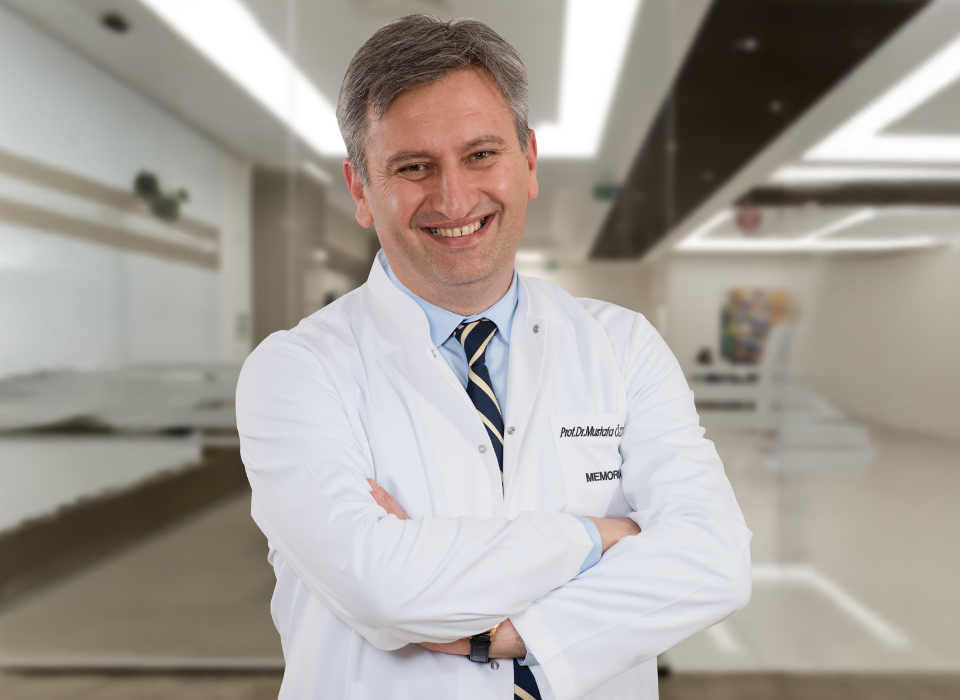
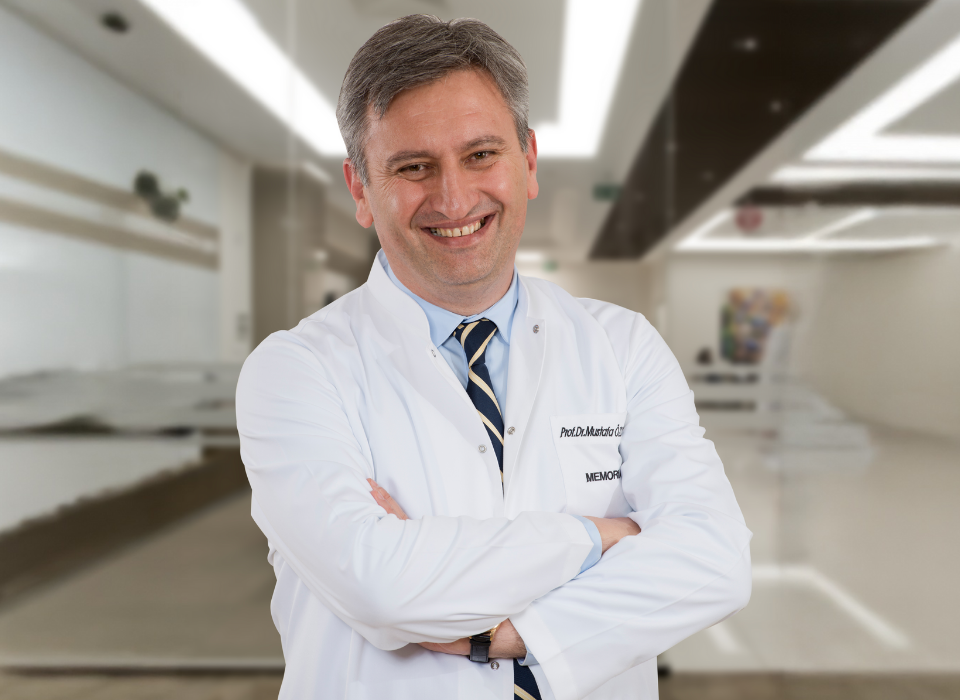
Prof. Dr. Mustafa Özdoğan, Head of the Cancer Center at Memorial Göztepe Hastanesi, offered an assessment of the current state of cancer treatment in light of up-to-date data, marking "4 February World Cancer Day."
Prof. Dr. Mustafa Özdoğan, Head of Memorial Göztepe Hospital Cancer Center, shared assessments on the current state of cancer treatment in light of recent data on the occasion of "4 February World Cancer Day."
The American Cancer Society's 2026 Cancer Statistics Report reveals that a historic threshold has been crossed in the fight against cancer. According to the report, 7 out of every 10 people diagnosed with cancer survive for at least 5 years. This rate demonstrates that cancer is no longer viewed as an absolute death sentence, while emphasizing once again the importance of early diagnosis, modern treatment methods, and preventive health measures.
Cancer survival threshold of 70 percent surpassed
According to data in the 2026 Cancer Statistics Report, when all cancer types and stages are evaluated together, the five-year relative survival rate has reached the 70 percent level. This rate does not signify a definitive outcome for individual patients; rather, it reflects an average that demonstrates the overall success of modern oncology. This achievement shows that the understanding that "cancer means certain death" has become obsolete.
Cancer statistics are typically calculated after several years of follow-up following diagnosis. For this reason, the survival rates presented in the 2026 report largely reflect outcomes of patients diagnosed between 2015 and 2020. It is anticipated that the impact of immunotherapy and targeted treatments, which are increasingly used in current clinical practice, will be reflected more strongly in data from the coming years.
Cancer-related deaths have declined 35 percent over the past 30 years
Current cancer statistics reveal that cancer mortality rates have declined by 35 percent since 1991. This decrease means that approximately 6 million people in the United States alone have had their lives saved. This success is not due to a single development; rather, it is based on the expansion of early detection programs, the strengthening of systemic treatments with targeted and smart drugs, and the integration of immunotherapies into treatment processes. The early detection of tumors through screening methods, personalized drug treatments, and approaches that activate the immune system, used together, have yielded lasting and effective results in cancer treatment. These developments demonstrate that cancer is no longer a predetermined fate and has become a disease that can be managed through scientific progress.
Three core areas distinctly increase treatment success
Three main areas underpin the advances achieved in the fight against cancer. Through screening programs, tumors are detected at earlier stages, which increases the success of surgery and drug treatments. Classical chemotherapies are used in combination with targeted smart drugs to apply more effective and personalized treatments. Immunotherapies activate the immune system against cancer, enabling strong results to be achieved together with surgery and radiotherapy.
Rising case numbers place preventive approaches on the agenda
Despite all these advances, it is anticipated that the number of new cancer cases expected in the United States in 2026 will reach 2.1 million. As more patients survive, more people are being diagnosed with cancer. This situation highlights the importance of risk factors such as obesity, physical inactivity, unhealthy diet, environmental exposures, and an aging population.
The greatest enemy remains the same: Tobacco
Despite all scientific and technological advances, lung cancer continues to be the deadliest cancer type today. For 2026, it is anticipated that approximately 124,990 deaths from lung cancer are expected in the United States. However, low-dose lung tomography screening is considered one of the most effective methods of prevention and early detection in this area. Nevertheless, only 18 percent of individuals eligible for screening undergo this test. This situation demonstrates that despite the availability of scientific knowledge and technological capabilities, individual awareness and behavior change play a decisive role in the fight against cancer.
Cancer type and stage are of vital importance
Although overall survival rates have improved, significant differences persist among cancer types. While survival rates for thyroid, prostate, and testicular cancers remain quite high, these rates remain at lower levels for lung and pancreatic cancers. This situation clearly demonstrates the decisive role of early diagnosis in cancer and at what stage the disease is detected.
Cancer is a manageable disease
Current data show that for many patients, cancer has become a chronic disease. Preservation of quality of life after treatment, monitoring of long-term side effects, and provision of psychosocial support are becoming increasingly important. Preventive measures such as HPV vaccination have been shown to have the potential to prevent the development of certain cancer types. These developments demonstrate that true success in cancer is not only achieved in treatment but also in prevention.
Gallery