Bug Bites: The First 20 Seconds Are Critical

Insect bites and stings, which occur frequently, show an increase especially during summer months. Prof. Dr. Su Küçük stated that in severe cases, insect bites and stings can lead to anaphylaxis, a severe, potentially fatal, systemic allergic reaction.
Insect bites and stings rank among the most common problems during summer months. Although they show seasonal characteristics in northern countries, including Turkey, this condition can be encountered indoors throughout the year. Insect stings and bites can cause serious health problems. Prof. Dr. Özlem Su Küçük, Head of the Department of Dermatology and Venereology at Bezmialem Vakıf University Hospital, warned that in severe cases, insect bites and stings can lead to anaphylaxis, a severe, potentially fatal, systemic allergic reaction.
Beware of forests and grassland areas
Prof. Dr. Su Küçük stated that risk factors related to insect bites and stings are linked to the environment. "People living near water bodies or wetland areas are at risk from mosquitoes, biting midges, or other insects that require water for reproduction," warned Prof. Dr. Su Küçük, who also noted that living near forested or grassland areas is a risk factor for tick bites. Prof. Dr. Su Küçük listed other risk factors as follows: "People in close contact with animals, particularly horses, dogs, or cats, are at risk from fly and flea bites. Occupational hazards such as gardening or beekeeping increase the risk of insect bites or stings specific to insects."Can be fatal
Emphasizing that insect bites and stings typically cause mild, localized allergic reactions, Prof. Dr. Su Küçük stated, "Systemic reactions, including delayed hypersensitivity and anaphylaxis (allergic reaction), are rare but can occur. Most insect bites and stings result in a local inflammatory response. Areas of widespread redness, itching, and swelling may develop. Vesicles or bullous lesions may also occur. Secondary infections are frequently added to the presentation."
More common between ages 2 and 10
"A common reaction to insect bites or stings is papular urticaria," said Prof. Dr. Su Küçük, noting that hypersensitivity reactions caused by insect bites are common in children between ages 2 and 10, adding that "however, they can also occur in adolescents and adults. The most common causes are mites, ticks, fleas, mosquitoes, and flies."
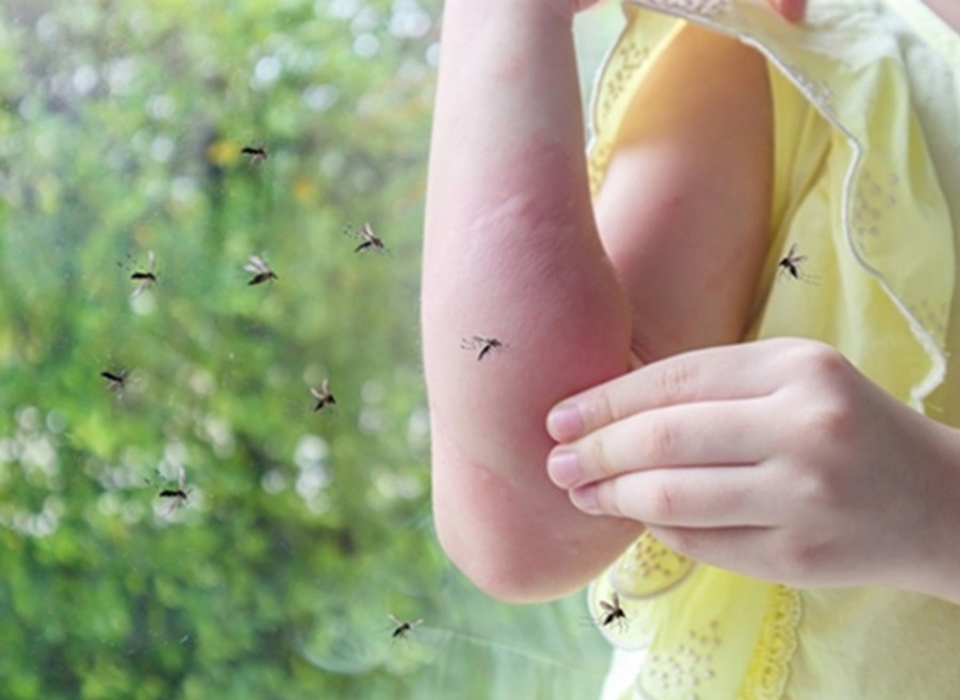
Prof. Dr. Su Küçük listed the most common reactions seen in insect bites and stings as follows: "Small, red, itchy bumps; typical redness and swelling are seen shortly after the bite, which makes it difficult to provide a clear explanation of the cause to the patient."
Watch for these signs! Prof. Dr. Su Küçük described the conditions caused by insects as follows: "A single mark or blisters may be a tick, horse fly, mosquito, or bee sting or bite. It tends to be painful. Multiple small red papules suggest mosquito, flea, midge, mite, or bedbug bites. Bedbug bites occur in multiple numbers and on exposed areas such as the face and neck overnight. They may also be seen on other parts of the body. Flea bites from pets usually occur below the knees. Following a spider bite, two small fang marks may be seen. Tick bites are usually painless."
Notable leukemia detail
Prof. Dr. Su Küçük warned that patients with unusual reactions to arthropods should be evaluated for leukemia, stating: "In patients with compromised immune systems, including those with human immunodeficiency virus (HIV) or cancer, more severe local allergic reactions and systemic symptoms such as fever, fatigue, headache, and lymphadenopathy may develop."
In severe cases, "Insect bites and stings can lead to anaphylaxis, a severe, potentially fatal, systemic allergic reaction that occurs suddenly following contact with an allergen-causing substance," warned Prof. Dr. Su Küçük, noting that "key clinical symptoms include rapid onset, skin or mucosal involvement accompanied by cardiovascular or respiratory symptoms."
One quarter related to insect stings
"Nearly one quarter of anaphylaxis cases are related to insect stings," said Prof. Dr. Su Küçük, providing the following explanation: "The Hymenoptera (sawflies) group includes honeybees, wasps, and ants. Hypersensitivity due to insect stings is more common in patients with atopic predisposition and may also be a sign of underlying mastocytosis. Patients with mast cell disease should be carefully evaluated for anaphylaxis following insect bites and stings, particularly from bee or wasp stings. Atrial arrhythmias have been reported to develop following bee stings without anaphylaxis. Acute kidney disease can be observed in fatal bee attacks."
First 20 seconds are critical
Prof. Dr. Su Küçük recommended the following for local insect bite or sting reactions (such as redness, swelling, itching, and pain): "You can apply symptomatic treatment with oral antihistamines, pain relievers, and cold compresses. The best way to protect against bites is to use protective clothing and insect repellents." "Early removal of the stinger can reduce additional venom injection," said Prof. Dr. Su Küçük, noting that 90 percent of venom transfer is completed within 20 seconds, and stated: "Therefore, intervention must only occur immediately. The size of large local reactions increases within 24 to 48 hours, causing swelling beyond the sting area, and recovery may take 5 to 10 days. Up to 10 percent of patients with large local reactions may develop systemic reactions in the future and should be prescribed injectable epinephrine as a precaution. Oral corticosteroids are sometimes used to reduce swelling. Antibiotics are not beneficial in these allergic reactions. When anaphylaxis is present, the patient should be immediately treated with injectable epinephrine and transferred to the emergency department. Patients who have experienced anaphylaxis should be seen by an allergist after discharge from the emergency department."
Gallery