Beta Gıda Makes Major Contribution to Sustainability
Beta Gıda, which has secured an important position in the world tea industry, is contributing to a sustainable future through innovative solutions it brings to the food sector and its investments in renewable energy.
A significant player in the global tea sector, Beta Gıda contributes to a sustainable future through innovative solutions in the food industry and renewable energy investments.
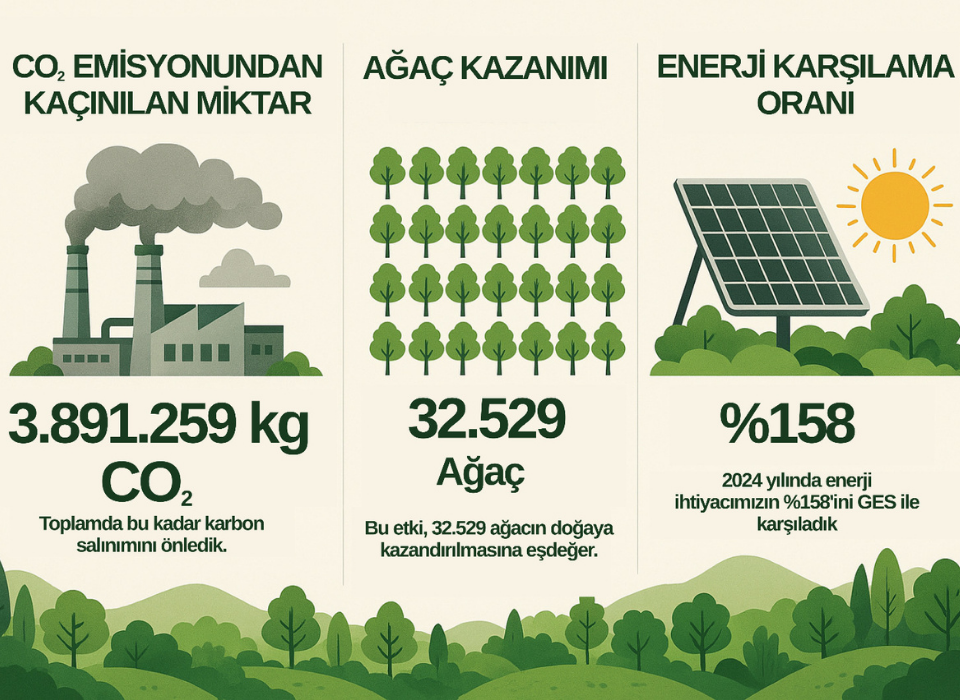
The brand, which launched its Solar Energy Plant (GES) project in 2022, has achieved an impact equivalent to adding 32,529 trees to nature to date. In 2024, the company met 158% of its energy needs from solar energy. Beta Gıda, which has gained recognition through recycling projects, received financial support from the TUBITAK 1505-University-Industry Cooperation Support Program for its project aimed at obtaining protein and prebiotics from black tea waste.
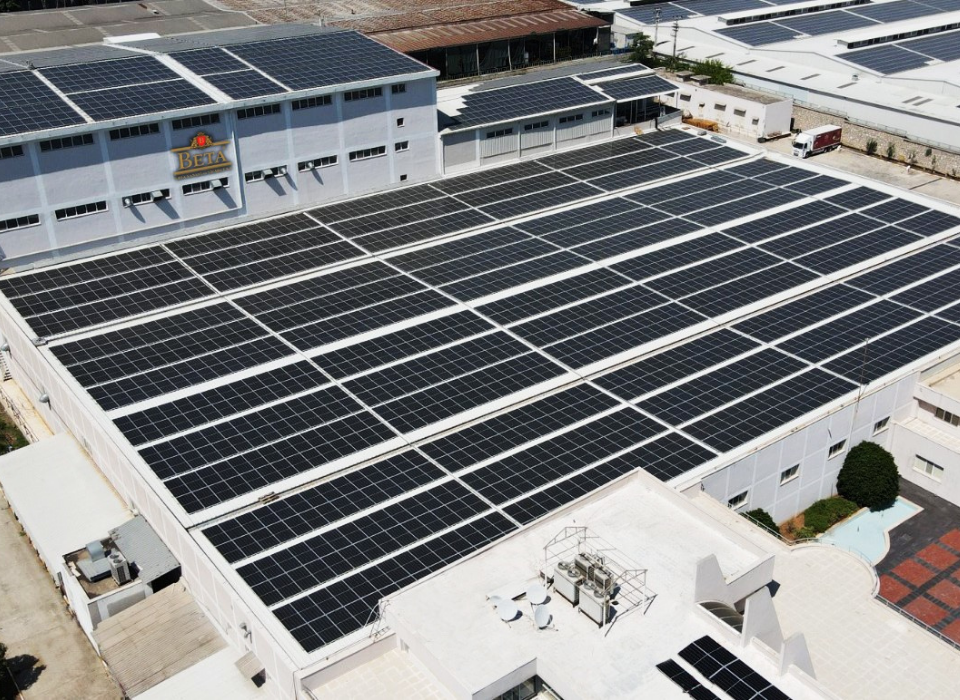
Founded in 1978 in Adana in a 6-square-meter space and now promoting Turkish tea worldwide, Beta Gıda inspires the sector through its sustainability policies. Since 2022, the company has sourced all energy needs for its Adana and Trabzon facilities from rooftop solar panels.
Clean energy added 32,529 trees to nature
The brand contributes to nature and a sustainable future through renewable energy investments, meeting a large portion of its electricity consumption through the Solar Energy Plant (GES) project and significantly reducing its carbon footprint. Through solar panels, Beta Gıda has prevented a total of 3,891,259 kg of carbon monoxide emissions to date, creating an impact equivalent to adding 32,529 trees to nature. In 2024, Turkey's innovative tea brand met 158% of its energy needs from solar energy, pursuing its mission of giving back to nature in line with the United Nations Sustainable Development Goals and leaving a more livable world for future generations.
Protein and prebiotics from tea waste, lamps from waste filter coffee paper
Beta Gıda, which established Turkey's first R&D center in the tea sector, conducts joint projects with public institutions and research institutes, delivering innovative solutions to the food industry. The brand, which contributes to sustainability through recycling projects across all areas, qualified for support from the TUBITAK 1505-University-Industry Cooperation Program with its project proposal on "Production of protein and prebiotics from black tea processing waste." Continuously developing different projects to revalue production waste, the brand's "Yuva" project in cooperation with Yaşar University converted waste filter paper into decorative and functional lamps.
For the "From Industry to Art" project, organized for the first time this year by the TAİDER Culture and Art Committee, the brand provided potbags tea production waste and rooibos, jasmine pearls, blue butterfly vine, and pomegranate tea for coloring. Industrial Design student Berçem Demir from Yaşar University used these waste materials to create the artwork titled "Yuva." The "Yuva" piece, displayed in the project's exhibition, combines aesthetic design with environmental awareness, representing both an environmentally friendly approach through waste material recovery and a contribution to the circular economy.
Through recycling projects aimed at resource conservation, Beta Gıda also supports reducing environmental pollution and protecting natural life by promoting sustainable production and consumption habits.
Gallery