Powder coating technologies are increasingly preferred in the coatings industry thanks to their solvent-free composition and environmentally friendly properties. The fact that this system generates no volatile organic compound (VOC) emissions, unlike traditional wet paints, makes it particularly attractive for sectors focused on sustainable production. Today, powder coatings are used across a wide range of applications, from the automotive and white goods industries to architectural applications, industrial equipment and metal surface coatings.
Powder coating technologies are increasingly preferred in the coatings sector due to their solvent-free composition and environmentally compatible properties. Not producing volatile organic compound (VOC) emissions compared to conventional liquid paints, this system stands out particularly for sectors engaged in sustainability-focused production. Today, powder coatings have a wide range of applications spanning from automotive and white goods industries to architectural applications, from industrial equipment to metal surface coatings.
Powder coatings fundamentally consist of a homogeneous mixture of resin, hardener, pigment and various additives. This mixture is melted through extrusion, cooled, and then micronized to bring it to applicable sizes. Control of particle size holds critical importance both for surface quality and electrostatic application efficiency.
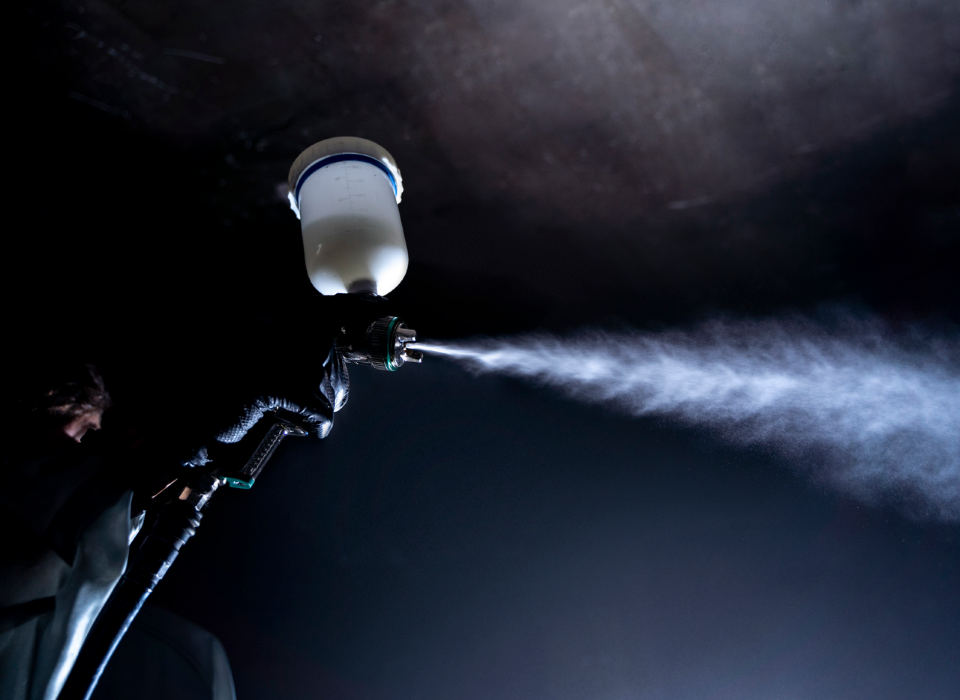
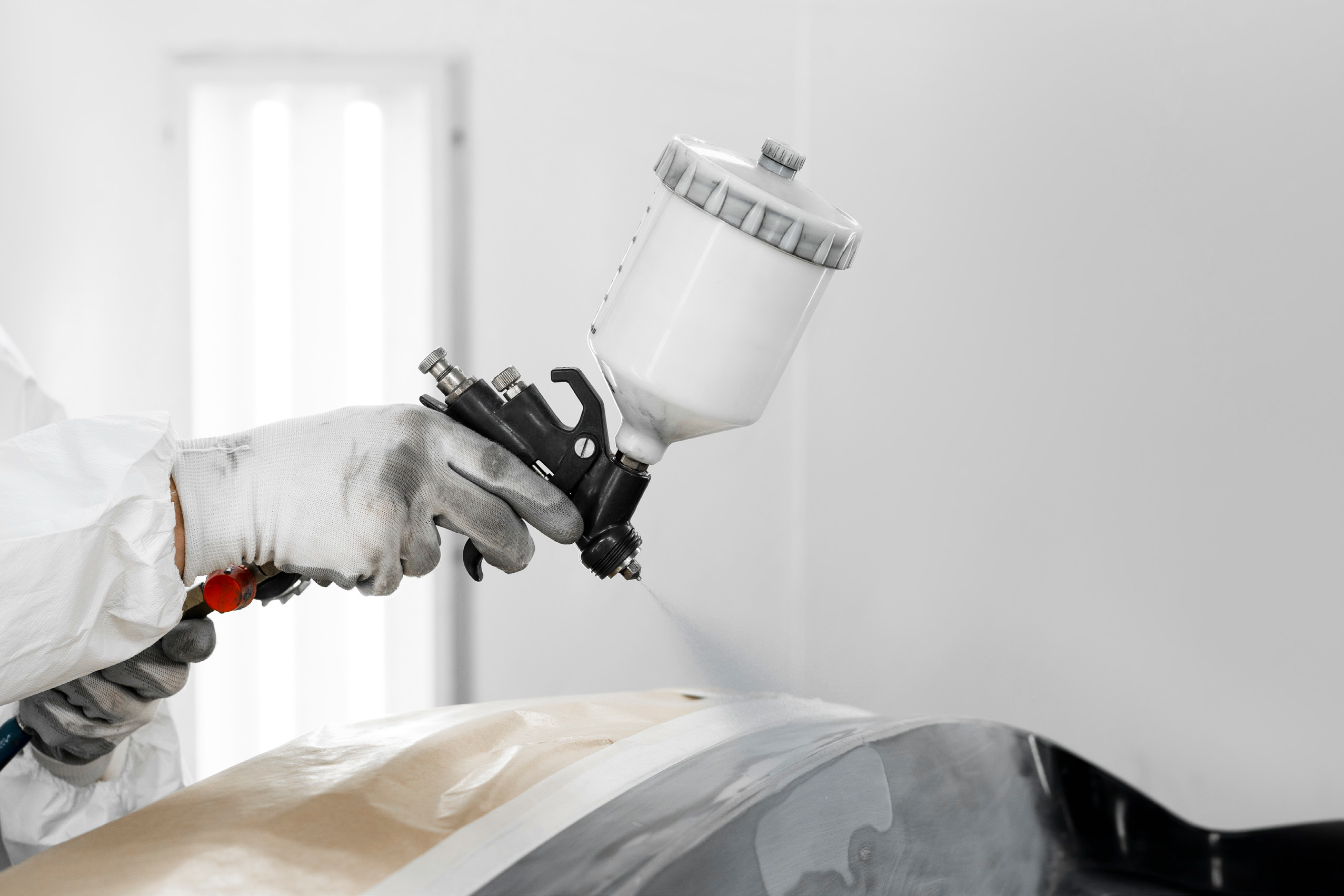
The most common method in powder coating applications is electrostatic spray systems. In this system, powder particles are electrically charged and directed toward grounded metal surfaces. Through electrostatic attraction, coating loss is minimized while homogeneous coverage can be achieved even on parts with complex geometries.
The curing process performed after application is one of the most important stages of powder coating technology. Curing is typically carried out in ovens operating in the 160–200°C range, and in this stage the coating melts, flows and chemically cross-links to form a durable film layer. Curing parameters directly affect the mechanical and chemical properties of the final coating.
Classification of Powder Coatings
Powder coatings are classified according to different resin systems such as epoxy, polyester, epoxy-polyester hybrid, polyurethane and acrylic. Epoxy-based systems offer high chemical and corrosion resistance, but due to limited UV resistance they are generally used in interior applications. Polyester-based powder coatings stand out in terms of outdoor durability and color stability.
In recent years, low-temperature curable powder coating systems have become an important R&D topic. These systems reduce energy consumption while enabling heat-sensitive substrates to also be coated with powder coating. Developed particularly for MDF, plastic and composite surfaces, these technologies are expanding the application scope of powder coatings.
Thin-film powder coating technologies aim to reduce material consumption while meeting aesthetic expectations. These systems, which provide sufficient coverage and mechanical strength even at lower film thicknesses, offer both cost advantages and environmental benefits. They also contribute to achieving smoother surfaces.
Functional powder coatings are another area that has come to the fore with technology development. Antibacterial, anti-fouling, anti-graffiti, conductive or high-temperature resistant coatings can be developed with powder coating systems. Such coatings provide not only aesthetic value but also performance-oriented solutions.
Recovery systems are one of the most important advantages of powder coating processes. Powders that do not adhere to the surface during application are collected through filter systems and can be reused. This significantly reduces coating consumption while minimizing waste volume and increasing overall process efficiency.
Digitalization and automation play a critical role in ensuring quality continuity in powder coating facilities. Through robotic application systems, automatic gun adjustments and data tracking, human error is reduced and production repeatability is increased. These developments provide significant advantages particularly in facilities engaged in high-volume serial production.
Sustainability Regulations
Regulations and environmental legislation have become one of the most important driving forces accelerating the global adoption of powder coating technologies. In the European Union and many other countries, serious restrictions have been imposed on volatile organic compound (VOC) emissions to protect air quality; through regulations such as the Industrial Emissions Directive (IED), REACH and similar measures, increasing pressure has been placed on solvent-based coating systems. These regulations aim to reduce not only environmental impact but also occupational health and safety risks.
In this context, companies are turning to solvent-free coating technologies both to comply with regulations and to reduce long-term operational risks. Powder coatings effectively meet environmental performance criteria thanks to their lack of VOC emissions, minimization of waste volume and high material recovery rates. Additionally, the elimination of additional costs such as solvent storage, hazardous area classification and waste solvent disposal provide significant economic advantages for operations.
In the future, powder coating technologies are expected to develop further with nanotechnology and next-generation additive systems. Innovative solutions offering higher performance, lower energy consumption and broader application areas will continue to establish powder coating at the center of the coatings sector. In this regard, powder coating maintains a strong position among both today's and tomorrow's coating technologies.
Gallery