RENEWABLE ENERGY INVESTMENTS RISE
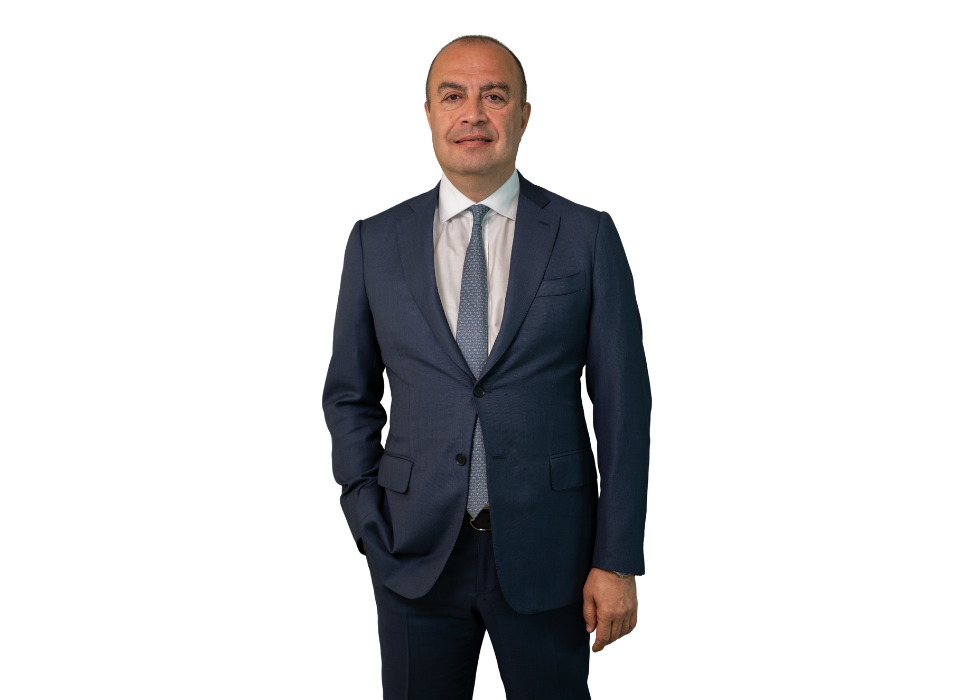
Recently at the International Energy, Economics and Security Congress, a panel on renewable energy efficiency in Turkey and globally took place. At the panel held at Istanbul Medeniyet University, Özgül Holding Chairman Ömer Faruk Özgül delivered a speech.
Özgül, whose experience and knowledge constitute a resource in the energy sector, stated in his speech that one of the most pressing issues in the world today—climate threat, carbon emissions, and declining confidence in global sustainability—has increased investments in renewable energy. Özgül provided the following information in his speech: "With low carbon emissions and technological advancement, the production cost of renewable energy has come very close to fossil fuels, and as a result, the improved feasibility of these projects has increased both public and private investment. Today, 9.95% of global energy is produced from renewable sources, and following this trend, Turkey has made significant investments in renewable energy in recent years. Since 2002, USD 95 billion has been invested, and in 2017, 6.12% of electricity demand was met from renewable energy sources." Renewable energy is produced from a broad range of natural resources. Among these sources, wind stands out most prominently, particularly due to its minimal land footprint, lower negative environmental impact compared to other sources, and greater efficiency. It also contributes to Turkey's domestic production and technology transfer. Turkey has already brought online 35% of the wind energy capacity it plans to install according to its Vision 2023 plan. Additionally, it met its 2017 targets by reaching an installed capacity of 6,872 MW with a 4% variance. Moreover, wind provides approximately USD 2 billion to Turkey's GDP and creates employment for 10,000 people. Although Turkey's energy sector has not yet fully matured, it has made significant progress over the past decade. In particular, the revision of domestic and national energy policies and the updating of regulations enable more efficient operation of designated capacities. These developments have made massive projects like YEKA programs possible. In his speech, Özgül noted that while the sector is exposed to sectoral risks such as regulatory risk, financial risk, and electricity price risk, constructive solutions exist for all of these. He underlined that if these constructive solutions are implemented, Turkey's status as a major player in the renewable energy sector is inevitable.Advertisement
Ad Space728 × 90