"Making Waterproofing Mandatory Will Extend the Lifespan of Our Buildings"
ÇATIDER supports waterproofing regulation to take effect on 1 June 2018.
Adil Baştanoğlu, Chairman of the Board of ÇATIDER (Roof Manufacturers and Businessmen's Association), stated that they view very positively the regulation coming into force from 1 June 2018, which makes waterproofing mandatory in projects prepared for new buildings, saying "The regulation aims not only to protect the building's structural elements but also to extend its service life. Turkey is now moving towards more ideal, more comfortable and less energy-consuming buildings. We welcome these steps very positively." The regulation, published in the Official Gazette on 29 October and making waterproofing mandatory in new buildings, will come into effect on 1 June 2018. With the regulation, waterproofing will be applied to the foundations, floors and basement walls in contact with soil, roofs, balconies and wet spaces of newly constructed buildings. For existing buildings, the new regulation provisions will also apply when repairs requiring waterproofing are carried out or when protective measures against water effects such as insulation and/or drainage are taken. If prepared projects do not comply with the conditions stipulated in the regulation regarding measures against water, a building permit will not be issued for the building."The quality of our building stock will increase"
Adil Baştanoğlu, Chairman of the Board of ÇATIDER, noted that as ÇATIDER they have emphasized the importance of insulation in buildings for years and said that the waterproofing regulation will significantly improve the quality of the building stock in our country. Baştanoğlu spoke as follows: "As ÇATIDER, we have long focused on the importance and necessity of insulation, provided training, covered this topic in our seminars and informed the media about how important it is. The fact that waterproofing has become mandatory following thermal insulation is a gratifying development for our buildings and industry. Heat and water insulation solutions on roofs must be compatible with each other. Thermal insulation applications on roofs, in addition to energy savings, prevent condensation while waterproofing applications prevent rainwater from damaging the building, forming a complete system. The regulation is expected to serve as a guide for consumers, builders, designers and inspectors. We view this as a positive process for our industry.""Correctness of design, materials and application will be ensured"
Baştanoğlu noted that the regulation will ensure not only awareness-raising of the public and industry regarding waterproofing, but also correct design, proper material selection and correct application and supervision, and made the following comments on the regulation: "The regulation includes waterproofing rules to be applied in parts exposed to water and moisture such as foundations, basement walls, wet spaces, balconies, roofs, terraces and water tanks. Waterproofing details to be applied on balconies and roofs will be determined taking into account the slope and area of the surface, purpose of use, type of roof, whether vegetation will be planted, the lowest and highest temperatures to be exposed, wind loads, rainfall amount and climate-related effects such as harmful solar radiation. Waterproofing measures for sloped roofs, terraced roofs and areas like balconies in contact with soil or external air will be designed taking into account the effects of non-pressure water. The drainage system laid on roof and balcony surfaces to prevent water accumulation and direct it away from the building will be designed taking into account the purpose of use and dimensions of the roof, rainfall amount and similar characteristics. Rainwater on roofs must be directed away from the building's outer facade at the shortest distance without entering the building. Qualified concrete will be used for structural impermeability, open terraces will require material resistance to solar radiation and green roofs will require the provision of additional material properties. Waterproofing details, drainage systems and materials to be used, specifying the relevant standards, will be shown in architectural and installation projects as appropriate."Standards should be adapted to changing climate conditions
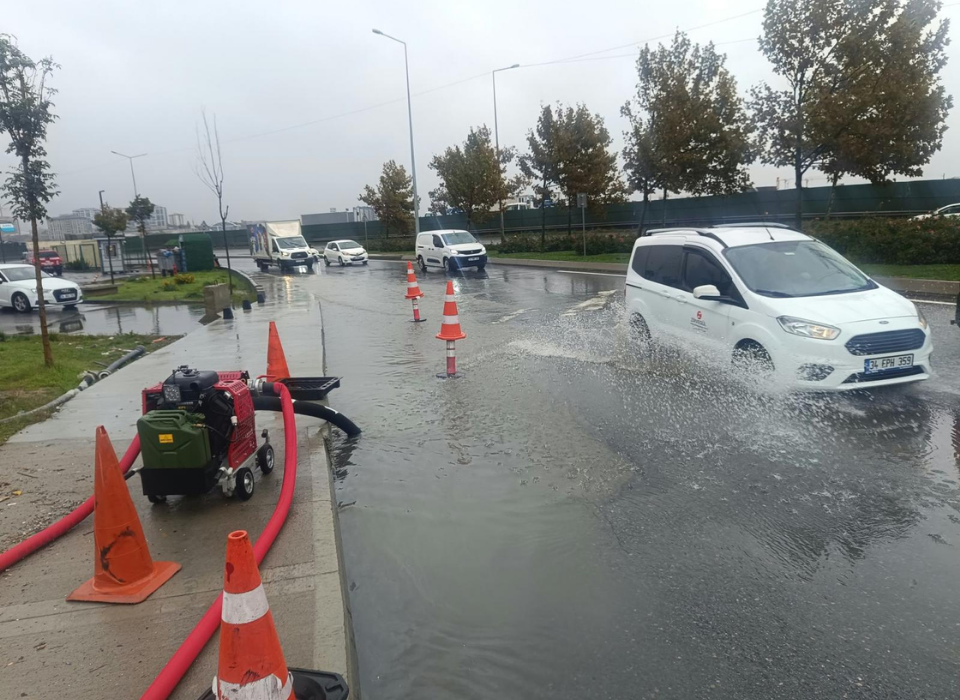
Baştanoğlu, reminding that there are still steps to be taken despite the positive measures taken, noted that due to global climate change being felt in recent times, updates to structural standards are necessary, saying "Data on the measures to be taken against the dangers and economic losses that sudden and rapid rainfall and winds pose to all types of building roofs as a result of rapidly changing climate conditions should also be present in TS EN standards and their integration with legal regulations is our expectation. The pursuit of economic solutions should not lead to technical errors."Advertisement
Ad Space728 × 90