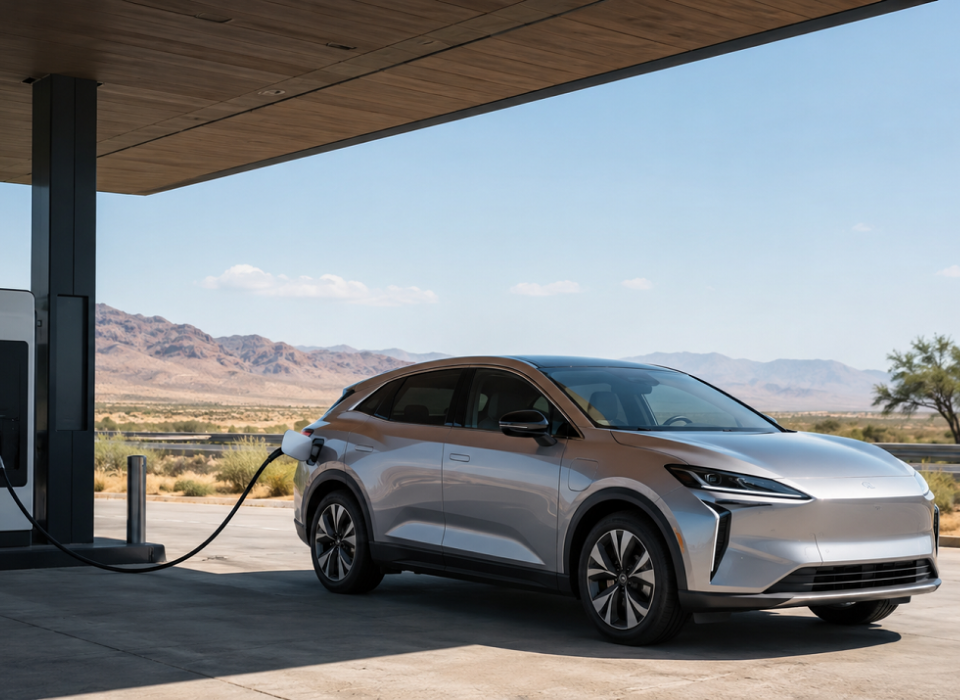
4 Tips to Maintain Electric Vehicle Range Performance in Hot Weather
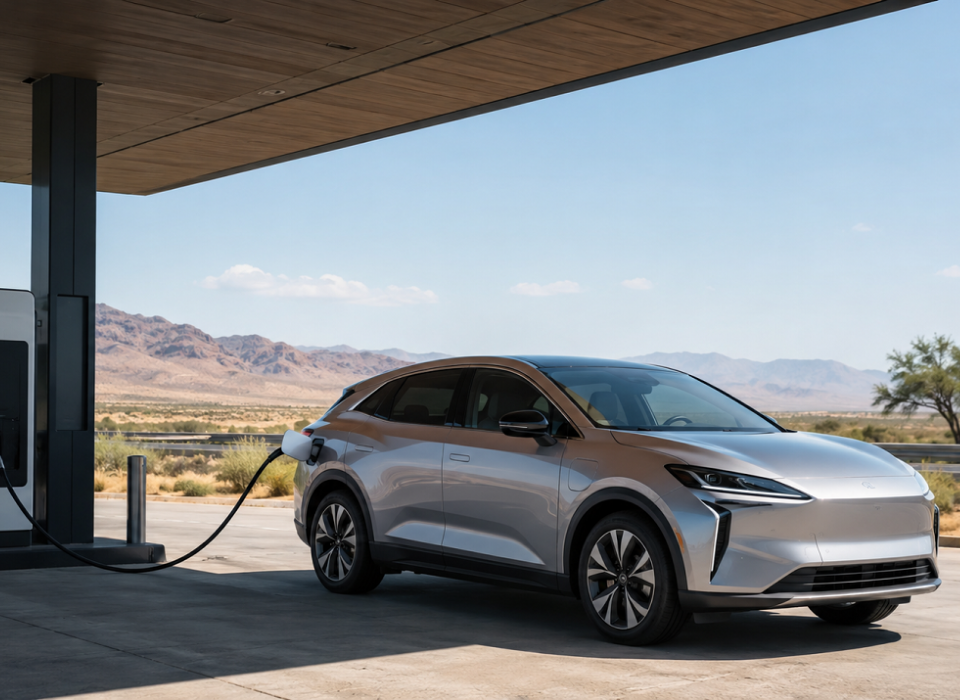
High temperatures can affect range performance in electric vehicles by increasing the energy consumption of battery thermal management and air conditioning systems. At temperatures around 35°C, air conditioning use has been noted to cause a range reduction of up to 17 percent, while charging timing, keeping the battery within the appropriate charge range, driving conditions, and air conditioning use play a decisive role in energy efficiency during summer months. Elaris Director Volkan Demir highlighted four important points to preserve the range of electric vehicles and support battery performance in hot weather.
Yüksek sıcaklıklar, elektrikli araçlarda batarya termal yönetimi ve klima sistemlerinin enerji tüketimini artırarak menzil performansını etkileyebiliyor. 35°C civarındaki sıcaklıklarda klima kullanımının menzilde yüzde 17’ye varan düşüşe neden olabildiği belirtilirken, şarj zamanlaması, bataryanın uygun şarj aralığında tutulması, sürüş koşulları ve iklimlendirme kullanımı yaz aylarında enerji verimliliğinde belirleyici rol oynuyor. Elaris Direktörü Volkan Demir, sıcak havalarda elektrikli araçların menzilini korumak ve batarya performansını desteklemek için dört önemli noktaya dikkat çekti.
High temperatures can affect range performance in electric vehicles by increasing the energy consumption of battery thermal management and air conditioning systems. At temperatures around 35°C, air conditioning use has been noted to cause a range reduction of up to 17 percent, while charging timing, keeping the battery within the appropriate charge range, driving conditions, and air conditioning use play a decisive role in energy efficiency during summer months. Elaris Director Volkan Demir highlighted four important points to preserve the range of electric vehicles and support battery performance in hot weather.
Range performance in electric vehicles is affected by many factors besides battery capacity, such as ambient temperature, driving conditions, vehicle speed, air conditioning use, and charging habits. Especially during summer months, high temperatures can create additional energy requirements both for keeping the battery at an appropriate operating temperature and for cabin air conditioning.
Tests conducted have shown that air conditioning use at temperatures around 35°C can cause range reductions of up to 17 percent in electric vehicles. It is also noted that driving and charging habits have an effect on energy consumption and battery performance.
Elaris Director Volkan Demir highlights the following four points to limit range loss in hot weather and support the efficient operation of the battery:
1. Cooler hours should be preferred for charging
Noting that high temperatures can increase the thermal load on the battery, especially during high-power DC charging, Volkan Demir draws attention to the importance of charging timing.
“During summer months, especially under extremely hot weather conditions, high-power DC charging can increase the thermal load on the battery. For this reason, it may be preferable to carry out charging as much as possible during the cooler hours of the day, early in the morning or in the evening.”
Noting that choosing charging stations located in the shade or in covered parking lots, rather than stations directly under the sun, when selecting a charging point can contribute to the vehicle and charging system operating under more suitable temperature conditions, Demir recommends allowing the battery time to balance its temperature, if possible, rather than switching to high-power charging immediately after long and high-speed driving.
2. The appropriate charge range should be maintained in daily use
Noting that keeping the battery at very high or very low charge levels for extended periods can affect the aging process of the cells, Demir states that the charge range recommended by the vehicle manufacturer should be taken into account in daily use.
In many electric vehicles, the 20-80 percent charge range can be considered a practical reference for daily use. However, since battery chemistry, cell technology, and the charge management determined by the manufacturer can vary from vehicle to vehicle, users should primarily take into account the recommendations in their vehicle's user manual.
It is noted that a 100 percent charge level can be preferred, particularly before long journeys.
3. Attention should be paid to driving conditions in extreme heat
Driving at high speed for extended periods in high temperatures can cause the battery thermal management system and the air conditioning system to work harder. This can lead to increased energy consumption and reduced range performance.
For this reason, driving in a more balanced manner, avoiding high speeds, and minimizing sudden acceleration and hard braking as much as possible, especially on hot days, can contribute to energy efficiency.
Balancing driving speed according to road, traffic, and weather conditions also helps keep energy consumption under control in electric vehicles.
4. Energy efficiency should be considered when using air conditioning
Air conditioning in electric vehicles can become a significant item within total energy consumption in hot weather. For this reason, using cabin air conditioning efficiently is important for range performance, especially on long journeys.
If the vehicle has been left directly under the sun for a long time, briefly opening the doors or windows before setting off to release the hot air inside the cabin, and then turning on the air conditioning, can help cool the cabin more quickly.
Using the Eco air conditioning mode, if available in the vehicle, can also contribute to reducing energy consumption.
At low speeds and on short urban drives, opening the windows, when weather conditions permit, can provide lower energy consumption compared to using air conditioning. However, since the aerodynamic drag created by open windows increases at high speeds, it is noted that this method may not provide the same advantage on long journeys and high-speed drives.
Battery thermal management becomes important during summer months
Keeping battery temperature under control plays an important role in the performance of electric vehicles. While battery management systems and thermal management technologies help keep the cells within appropriate operating conditions, conditions such as high ambient temperature, fast charging, and high-speed driving can cause these systems to consume more energy.
For this reason, timing charging correctly during summer months, using charge levels appropriate to manufacturer recommendations, balancing driving speed, and operating the air conditioning system efficiently can contribute to controlling energy consumption in electric vehicles and supporting range performance.
About Üçay Mühendislik
Founded in 2000, Üçay Mühendislik Enerji ve İklimlendirme Teknolojileri A.Ş. operates in the fields of air conditioning, electrical, mechanical, solar power systems (GES), and electric vehicle charging services in line with energy saving and sustainability goals.
The company's subsidiary Elaris provides services in electric vehicle charging network operation and electric vehicle charging station sales.
Headquartered in İstanbul, Üçay Mühendislik continues its operations with 33 branches, warehouses, and showrooms in 23 provinces across the Marmara, Aegean, Mediterranean, Black Sea, and Southeastern Anatolia regions.
Having provided engineering services to more than 2 million individual and corporate customers since its establishment, the company serves an average of 30 thousand customers annually through its integrated branches and ERP infrastructure.
Gallery