The Importance of the First 8,000 Days in Children's Healthy Development Highlighted at İstanbul Science Summit 2026
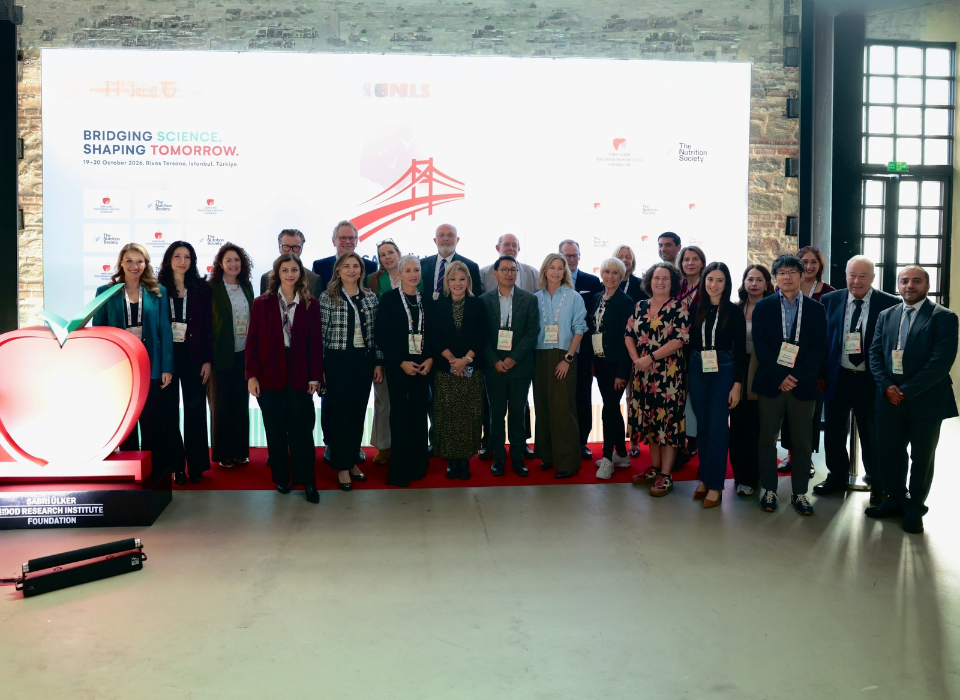
Hosted by the Sabri Ülker Food Research Institute Foundation in collaboration with The Nutrition Society, İstanbul Science Summit 2026 addressed the lifelong effects of nutrition on children's healthy growth and development with the participation of international experts. The common message emerging from the summit was: "The foundation of a healthy future is laid in the first 8,000 days of life." Scientists from various countries drew attention to the need for the first 1,000 days of life, as well as the subsequent 7,000 days covering childhood and adolescence, to be evaluated with holistic approaches.
At the summit held by the Sabri Ülker Food Research Institute Foundation in collaboration with The Nutrition Society, current scientific research on child nutrition and examples of implementation in different countries were shared. Experts from various countries, particularly the United Kingdom, Japan and Türkiye, evaluated the complementary roles of families, educators and health professionals in instilling healthy eating habits. The importance of translating scientific knowledge into daily life was also among the summit's prominent topics.
"Child nutrition is a global responsibility"
Binali Yıldırım, the last Prime Minister of the Republic of Türkiye, 28th Speaker of the Grand National Assembly of Türkiye (TBMM), and Member of the Presidential High Advisory Board, noted in his speech at the summit that children around the world do not have equal conditions in terms of nutritional opportunities.
Yıldırım said, "Children should not be evaluated according to the country they live in or their family's financial situation; nutrition is a need for every child, and this is a global responsibility."
Deputy Minister of Health Şuayip Birinci stated that child health is a holistic process that begins with the health status of the expectant mother and covers the entire childhood period. He emphasized that children acquiring healthy eating habits at an early age is of critical importance both for individual health outcomes and for public health.
Deputy Minister of Trade Mahmut Gürcan also stated that children's healthy nutrition and access to safe products is of great importance within the Ministry's area of responsibility.
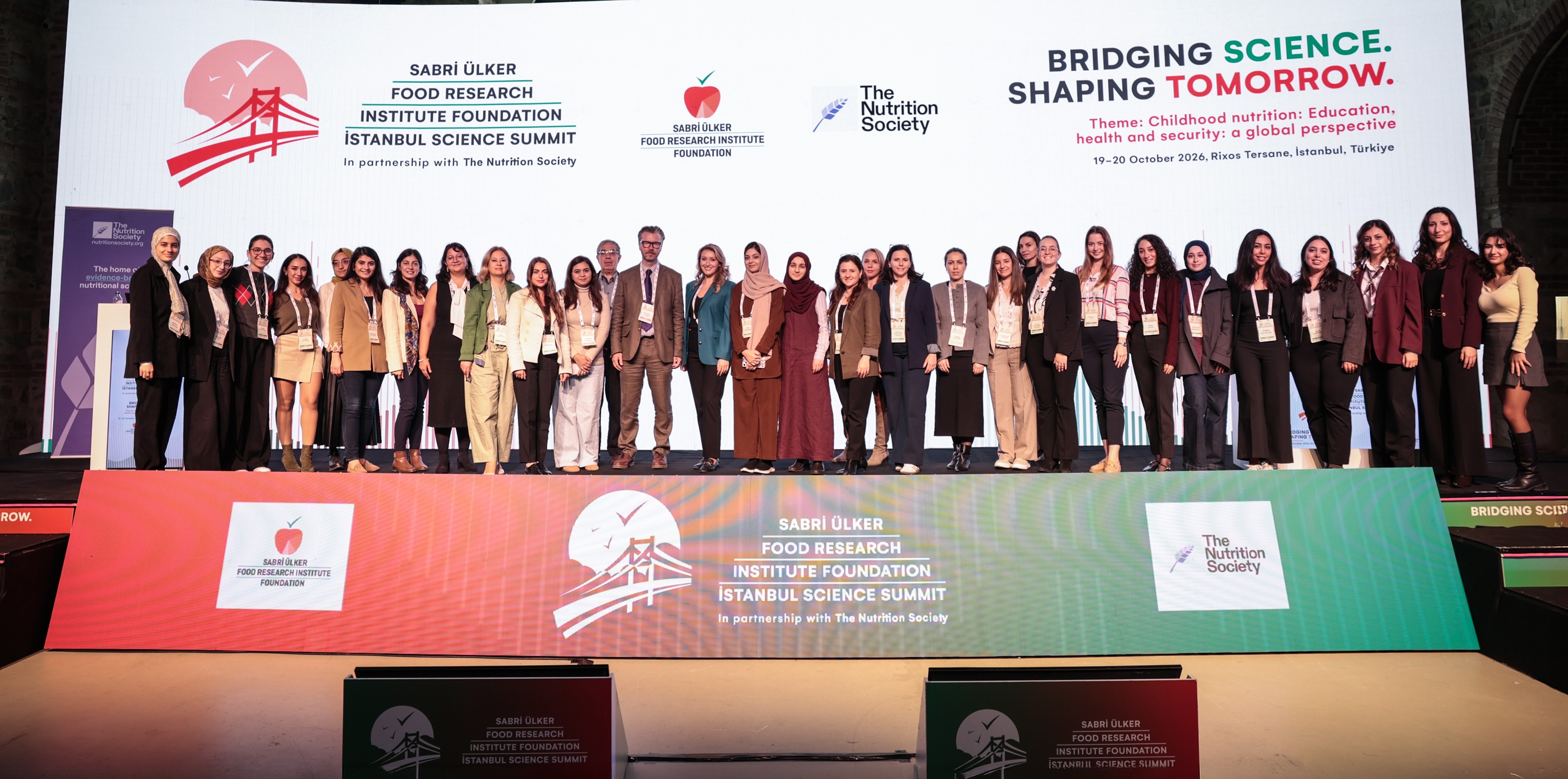
The summit paved the way for new collaboration opportunities
The two-day İstanbul Science Summit 2026 brought together a total of 336 participants from Türkiye and other countries. In addition to in-person attendance, the program also attracted interest on digital platforms, with its YouTube live broadcasts viewed approximately 2,000 times. The sessions and content broadcast live on the summit's website were followed by more than 2,000 visitors over the course of the two days.
Bringing together academics, scientists, physicians, dietitians, pharmacists, students, representatives of public institutions and civil society, and members of the press, the summit addressed child nutrition from the perspectives of national and international experts. The event also provided an opportunity to explore new collaboration opportunities among researchers, universities and scientific organizations from different countries.
Key messages from İstanbul Science Summit 2026
In line with the assessments made at the summit, five key themes emerged regarding children's healthy development and nutrition:
- The first 8,000 days are critically important for healthy development:** From pregnancy through the first 1,000 days of life and extending to the subsequent 7,000 days covering school age and adolescence, the conditions that support nutrition, care and development are important for children's lifelong health and well-being.
- Nutritional habits at school and at home complement each other:** In addition to nutrition at school, the nutritional habits of families and children outside of school also need to be supported.
- Nutrition policies should be based on scientific evidence:** Developing reliable, age-appropriate measurement methods is important for accurately assessing children's nutritional status, identifying needs, and monitoring the impact of interventions.
- Nutrition education should impart daily life skills:** Age-appropriate educational approaches based on scientific knowledge are needed to help children recognize food, make informed food choices, and develop healthy habits.
- Children's healthy nutrition requires shared responsibility:** Collaboration among families, schools, health professionals, researchers and policymakers plays a decisive role in creating the conditions that support healthy development.
Yahya Ülker: "We will continue to build bridges of science for children's healthy future"
Yahya Ülker, Chairman of the Sabri Ülker Food Research Institute Foundation, who made remarks following the summit, stated that scientists from different countries sharing their knowledge and experience is important for developing a common understanding of children's healthy future.
Thanking all the participants who contributed to the summit, Ülker stated that, as a Foundation, they will continue to support international knowledge and experience sharing, strengthen scientific collaborations, and build new bridges within the scientific community.
Prof. Dr. Özmert: "The first 1,000 days of life form the foundation of lifelong health"
Prof. Dr. Elif N. Özmert, Head of the Department of Developmental Pediatrics, Department of Pediatrics, Hacettepe University Faculty of Medicine, explained in her presentation that the foundations of brain development and lifelong health are laid during the first 1,000 days, extending from pregnancy to the point at which the child completes their second year.
Özmert said, "The impact of the support provided during this critical period is not limited to health outcomes at that time; it can also be decisive for health and well-being in later years. For this reason, it is of great importance to take a holistic approach to child health, prevent risks at an early stage, and create the conditions that will support every child's healthy development."
Prof. Dr. Bundy: "The period after the first 1,000 days is also part of healthy development"
Prof. Dr. Donald Bundy, Professor of Epidemiology and Development at the London School of Hygiene and Tropical Medicine, emphasized that investments in children's healthy development should not be limited to the first 1,000 days. Bundy stated that the subsequent 7,000 days, covering school age and adolescence, are also critical for supporting children's physical, cognitive and social development.
Stating that school meals, when properly designed, can become a long-term investment that supports children's health and learning capacity, Bundy said that these programs need to be considered together with health, education, social protection and agricultural policies, their effects need to be evaluated with scientific data, and successful practices need to be disseminated.
Prof. Dr. Murakami: "The impact of nutrition programs can be understood through accurate measurement"
Prof. Dr. Kentaro Murakami, Professor of Social and Preventive Epidemiology at the School of Public Health, Faculty of Medicine, University of Tokyo, gave a presentation on the role of school meal programs in Japan in improving children's nutritional quality.
Murakami stated that measurement methods that take into account children's ages, dietary habits and cultural characteristics need to be developed in order to accurately assess their nutritional status. He stated that strengthening scientific evidence in this direction will help to understand and improve the impact of school nutrition programs.
Frances Meek: "The Balance in Meals Education Project brings nutrition education together with daily life"
Frances Meek, Director of Education Services at the British Nutrition Foundation, shared with participants the food and nutrition education approach of the "Food – a fact of life" program, which also served as the source for the Sabri Ülker Food Research Institute Foundation's "Balance in Meals Education Project" (Yemekte Denge Eğitim Projesi).
Noting that children, teachers and educators are supported with science-based resources under the program, Meek drew attention to the importance of implementing international experience in line with local needs in Türkiye.
Meek said, "Through this program, we support children, teachers and educators with science-based resources. The transformation of this approach into the Balance in Meals Education Project in Türkiye is a valuable example showing that international experience can be implemented in line with local needs. This work, carried out under the leadership of the Foundation, brings nutrition education together with children's daily lives, contributing to the acquisition of healthy habits at an early age."
İstanbul Science Summit 2026, focusing on the first 8,000 days of life, brought together up-to-date scientific knowledge and practices regarding children's healthy development with the contributions of international experts. The summit also stood out as an important platform for future research and scientific collaborations.
Gallery
Advertisement
Ad Space728 × 90