Every 1 in 13 Children Worldwide Is a Child Laborer

On 20 November, World Children's Rights Day, the Turkish Food Industry Employers' Union (TÜGİS) drew attention to child labor in the world and in Turkey with figures and an awareness project it launched.
Turkey Food Industry Employers Union (TUGIS) drew attention to child labour globally and in Turkey on 20 November World Children's Rights Day with figures and an awareness project it has launched.
Published ILO and UNICEF data show that approximately 138 million children worldwide still work in fields, workshops or on the streets. Of these children, 54 million work in hazardous jobs. Sub-Saharan Africa has the highest prevalence of child labour at 22%. This is followed in second place by North Africa and West Asia at 8%. According to 2019 data, approximately 720,000 child workers are engaged in economic activity in Turkey.
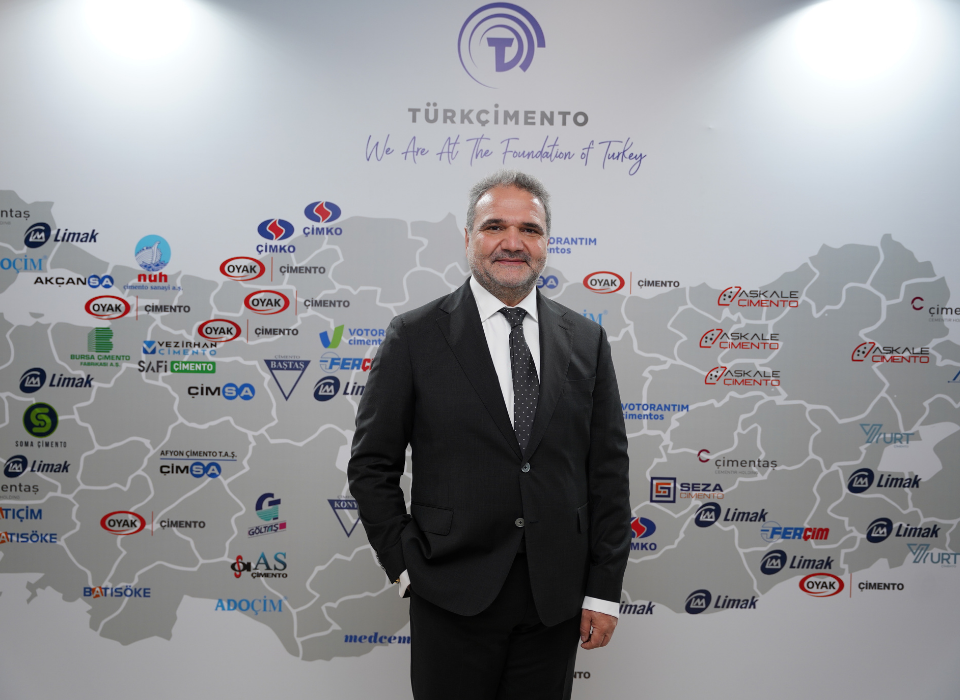
TUGIS Management Board Chairman Kaan Sidar stated, "With our project titled Big Futures for Small Hands: No to Child Labour, we will conduct awareness-raising activities over the course of one year targeting stakeholders in the food ecosystem and the public." Dr. Nurcan Önder, Management Board Chairman of Working Life Association, a project partner, emphasised the importance of work being done in the field of seasonal agricultural labour in combating child labour in Turkey.
Since 2000, child labour has been cut almost in half. However, due to the low pace of current progress, it is evident that the global target to eliminate child labour by the end of 2025 will not be reached. According to data from the International Labour Organization (ILO) and the United Nations Children's Fund (UNICEF), progress would need to accelerate 11-fold over the next five years to achieve this target. Turkey Food Industry Employers Union (TUGIS) drew attention to child labour globally and in Turkey on 20 November World Children's Rights Day with these figures.
Highest child labour in Africa, decline in Turkey
The figures show that child labour is most prevalent in regions where poverty, lack of access to education, migration and refugee issues are dominant factors. These countries are led by South Sudan at 48%, Ethiopia at 45% and Burkina Faso at 42%. Child labour in the US and EU countries is below 1%. In Turkey, 720,000 child workers are engaged in economic activity. In our country, 30.8% of children work in agriculture, 23.7% in industry and 45.5% in the service sector. However, Turkey, which was selected as a "Model Country" by the ILO in 2006 for combating child labour, also gained "Guide Country" status in 2024. In line with work carried out consistently, the child labour rate, which was 15.2% in 1994, decreased to 4.4% in 2019.
"With our project we will contribute to falling below 1%"
The "Big Futures for Small Hands: No to Child Labour" project, launched in cooperation with Turkey Food Industry Employers Union (TUGIS) and Working Life Association, focuses on raising awareness against child labour in all production areas, especially the food sector. TUGIS Management Board Chairman Kaan Sidar, stating that they have planned comprehensive work over a one-year period within the scope of the project, said: "With our No to Child Labour project, we are conveying information to employers about international legislation and organising training that addresses their responsibilities and obligations in this struggle. To increase awareness among the public, we are simultaneously conducting communication activities in the media and digital platforms. Through these activities, we aim to contribute to policies and activities aimed at reducing the child labour rate in our country to below 1%."
Seasonal agricultural labour among priority issues in Turkey
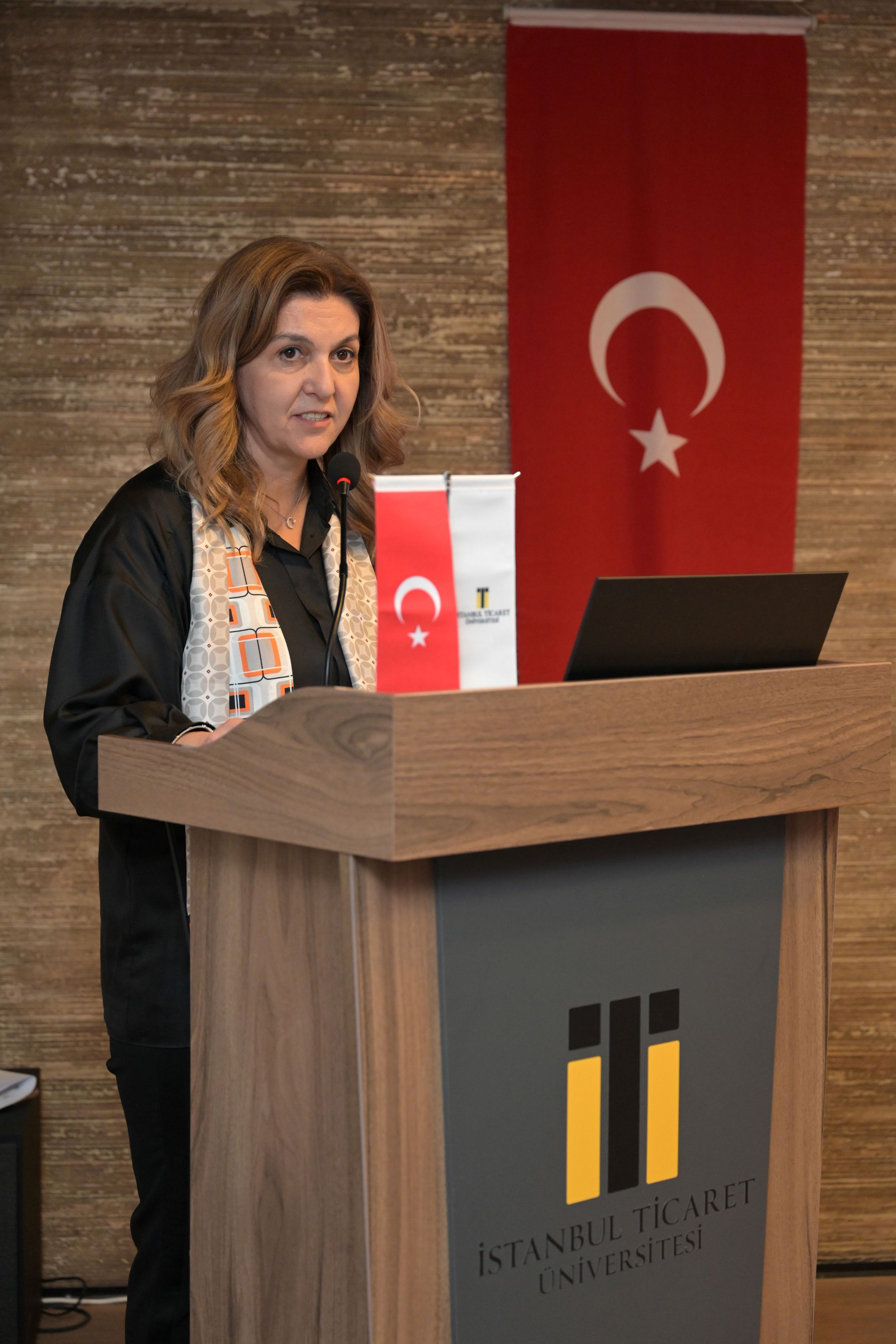
Speaking about the project, Working Life Association Chairman Dr. Nurcan Önder stated: "The project we are conducting together with TUGIS serves to institutionalise responsible business conduct in the food ecosystem and support the creation of a lasting culture against child labour across all links of the supply chain. In Turkey, the prevalence of mobile seasonal agricultural labour, the displacement of children along with their families and the risk of interruption to education are unique dynamics requiring specific solutions. For this reason, we created a framework encompassing obligation and good practice training for employers, field-focused awareness activities and data-based assessments."
"We are continuing our project in line with Alliance 8.7"
Önder, noting that everyone needs to do their part within the framework of the roadmap published by the Ministry of Labour and Social Security, stated: "In 2023, Turkey established a roadmap for itself within the framework of the United Nations Sustainable Development Goals (SDGs) 'Alliance 8.7'. The roadmap includes objectives such as strategy development, system improvement, raising awareness and information levels, and increasing the effectiveness of administrative sanctions. All parties will work together and in a coordinated manner to achieve the objectives published by the Ministry. We have also designed our project in accordance with this roadmap, focusing on the rapid elimination of forced labour, modern slavery, human trafficking and child labour. By bringing academic knowledge, international legislation and sector practices together at the same table, we aim to contribute to the protection of children in the chain that extends from farm to table in the food sector," he said.
Gallery