Welding Machinery Sector Faces Skilled Labor Shortage
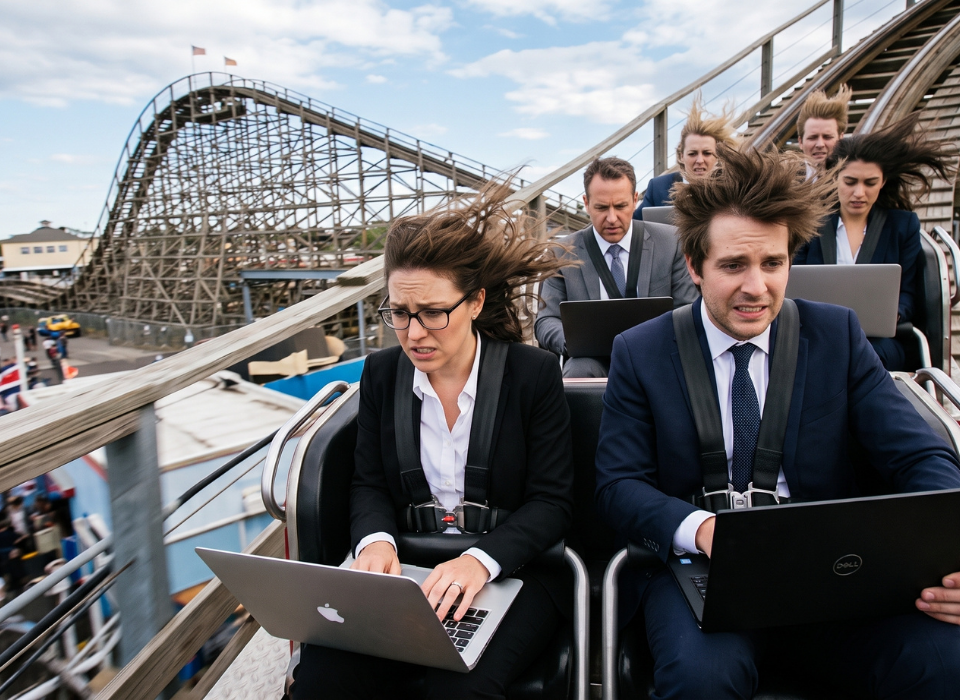
The skilled labour shortage, which has become the nightmare of industries, has also spread to the welding machinery sector.
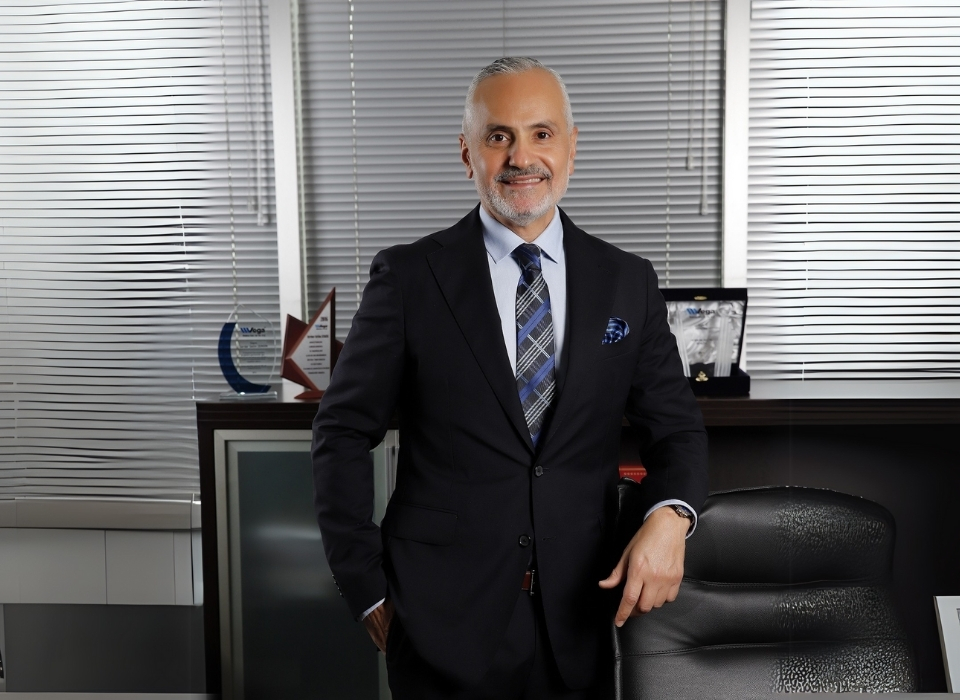
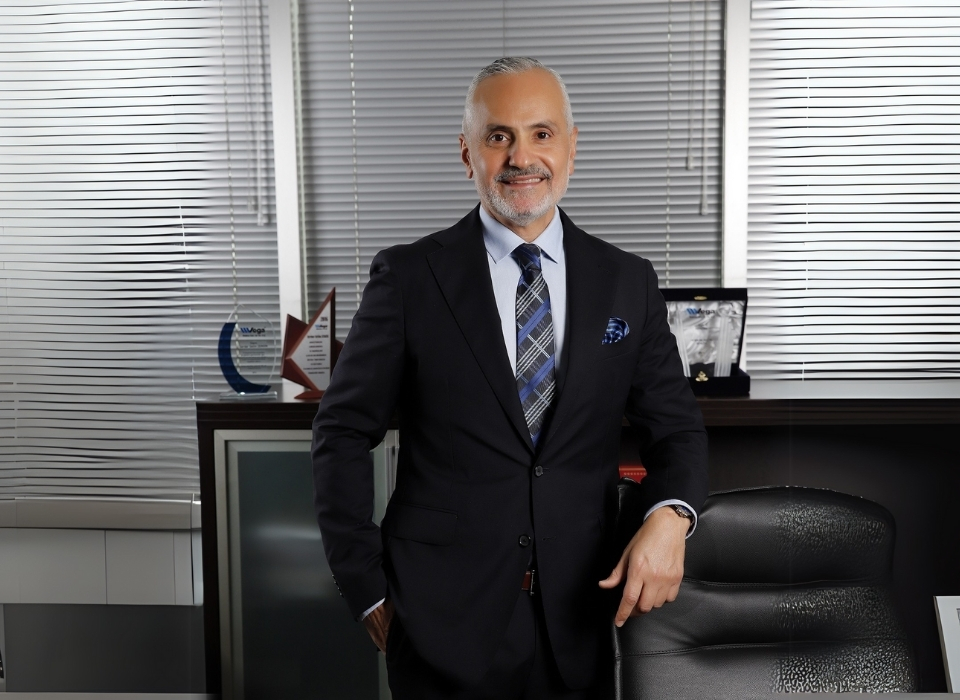
Pointing out that the sector has not conducted sufficient R&D work and therefore cannot reach out to vocational high schools, vocational colleges and universities, Vega Makina General Manager Serdar Selim Zengin said, "Unfortunately, because of this we have not been able to introduce ourselves to young people. Because we could not do this, our sector, which contributes significantly to 30 percent of our total exports, has entered the skilled labour shortage spiral."
Like in almost every sector, the welding machinery sector has raised its voice on the issue of skilled labour needs. Vega Makina General Manager Serdar Selim Zengin, who complained that the sector has not conducted sufficient R&D work for technological transformation, said, "If we could have succeeded in this, we could naturally reach out to vocational high schools, vocational colleges and universities, and introduce our sector to our young friends. Because we could not do this, the welding machinery sector, which has reached a turnover size of EUR 370 million and contributes significantly to 30 percent of our total exports, has entered the skilled labour shortage spiral. In order to win over young people, we must give the welding profession the material and moral respect it deserves in the eyes of society."
"We are losing young people with high working potential"
Serdar Selim Zengin, pointing out that there are chain problems in the welding sector as in others, said, "The consumables side is relatively better. However, there are problems on the welding machinery side. Our biggest problem is not being able to produce technological products." Zengin, noting that factories actually have the financial capacity to produce machinery, said, "However, producing machinery with technology is a matter of R&D. For this you need to invest, and in parallel you need to reach out to vocational high schools, vocational colleges and universities and get consultation from the professors there. Because the materials market alone is larger and easier, no one wants to invest in R&D to produce welding machinery. As a result, you cannot have dialogue and contact with universities, vocational colleges and vocational high schools. This results in our technician or engineer colleagues not preferring us because they do not know our sector."
Lack of civil society organisations in the sector makes it difficult to solve problems
Zengin, pointing out that families need to see welding as a profession with social standing in order to direct their children to the sector, continued, "The reason people are drawn to professions like doctor, engineer or lawyer is that in addition to the material aspect, they also have respect in society. We too must elevate the welding profession to higher levels so that families are convinced first. This has both material and moral dimensions. As long as we do not solve both issues, there is no possibility of bringing families to our side."
Gallery