


Interview: Murat Soygür
Polyurethane elastomers extend service life and reduce resource consumption thanks to their abrasion resistance and durable structure, while also offering significant sustainability advantages through their potential to be produced from recyclable and bio-based raw materials. In our interview, Guillaume Bizard, Regional Sales Manager at Covestro Elastomers, shared detailed insights into the applications of polyurethane elastomers, the benefits they offer, and Covestro’s position in the elastomers market.
Could you briefly introduce yourself and share your professional background?
I joined the company almost 20 years ago. After studying chemistry, I started my career as a technical engineer, where I supported customers by training and assisting their workshop operators and solving any processing issues, leveraging expertise in both dispensing machines and cast PU systems. After 15 years, I moved into a sales manager role. Building on my experience, I am now responsible for the development of cast polyurethane solutions across Türkiye, the Maghreb countries and South Africa, with a strong focus on driving customer success.
How do you view Covestro’s position in the global elastomers market, and how does this segment contribute to the company’s broader strategic objectives?
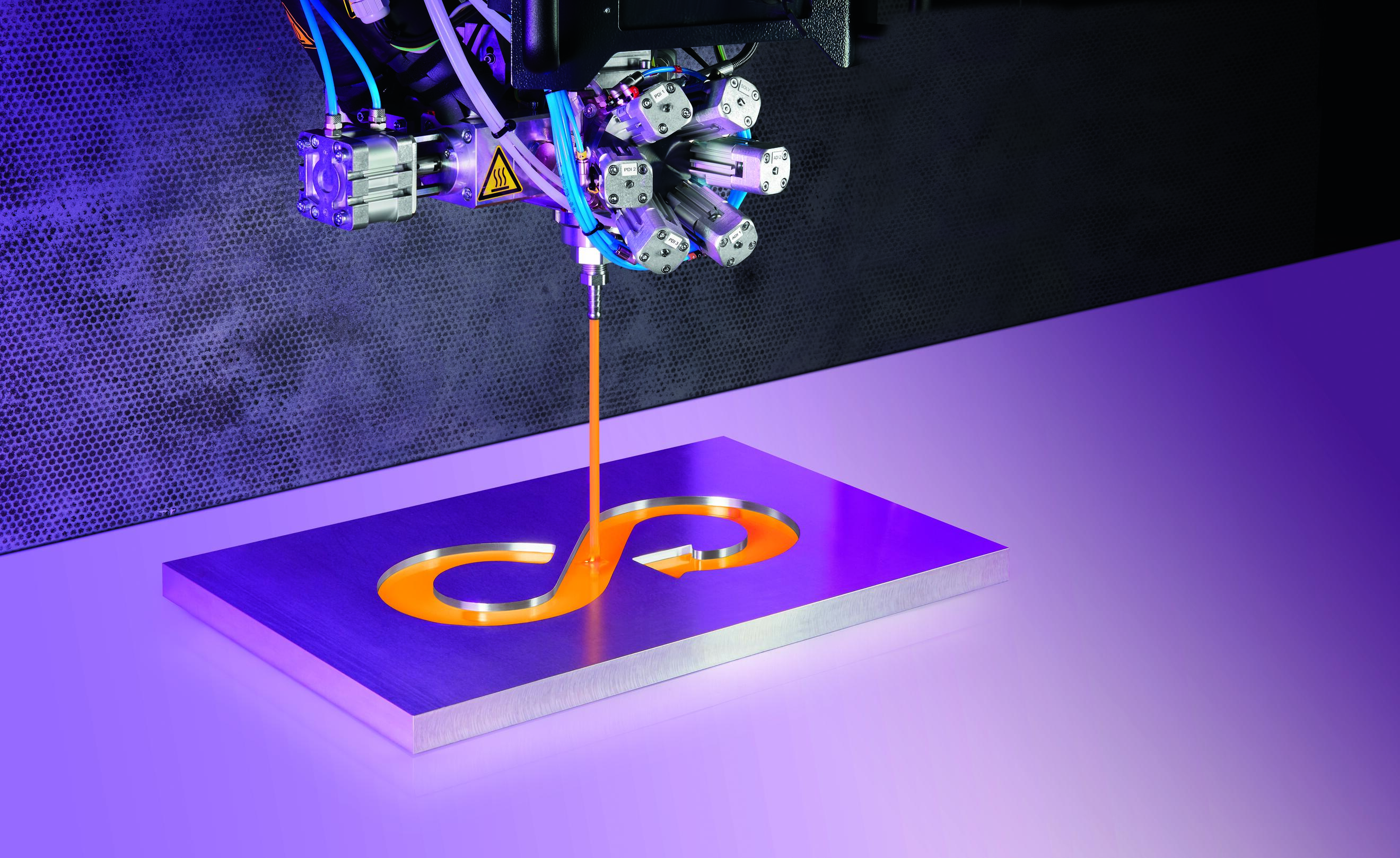
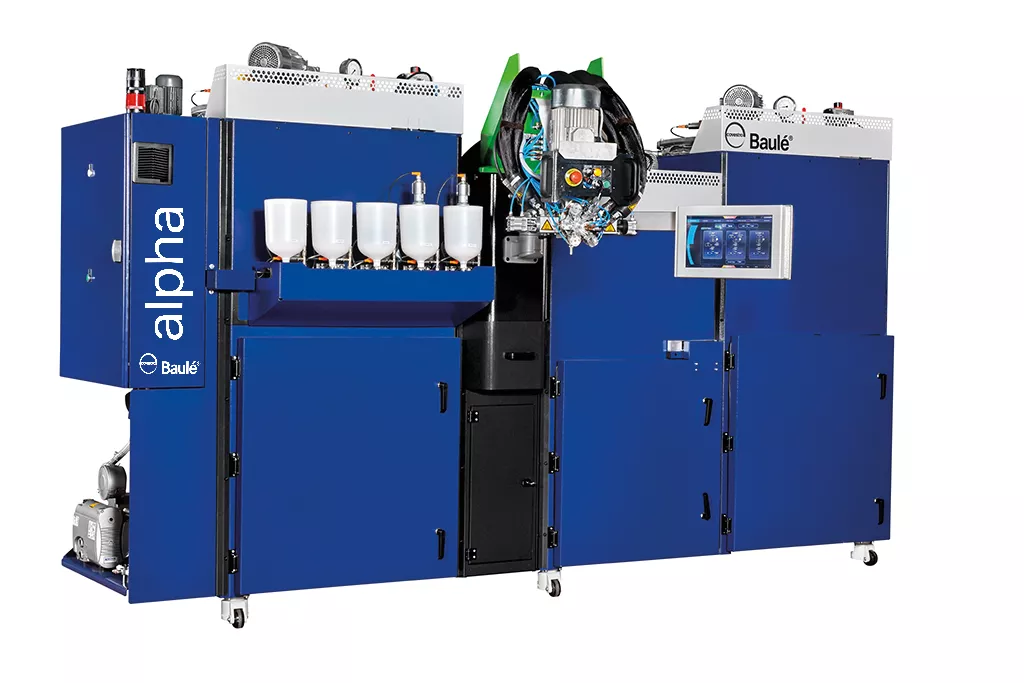
Covestro is one of the market-leading companies in the global elastomers segment, built on decades of innovation and reinforced by brands such as Vulkollan® as the benchmark for high-performance cast polyurethane and Baulé®, the reference in casting machine technology. By combining expertise in both chemical systems and processing machines, Covestro Elastomers is the unique single source able to supply customers with an unmatched, fully integrated solution.
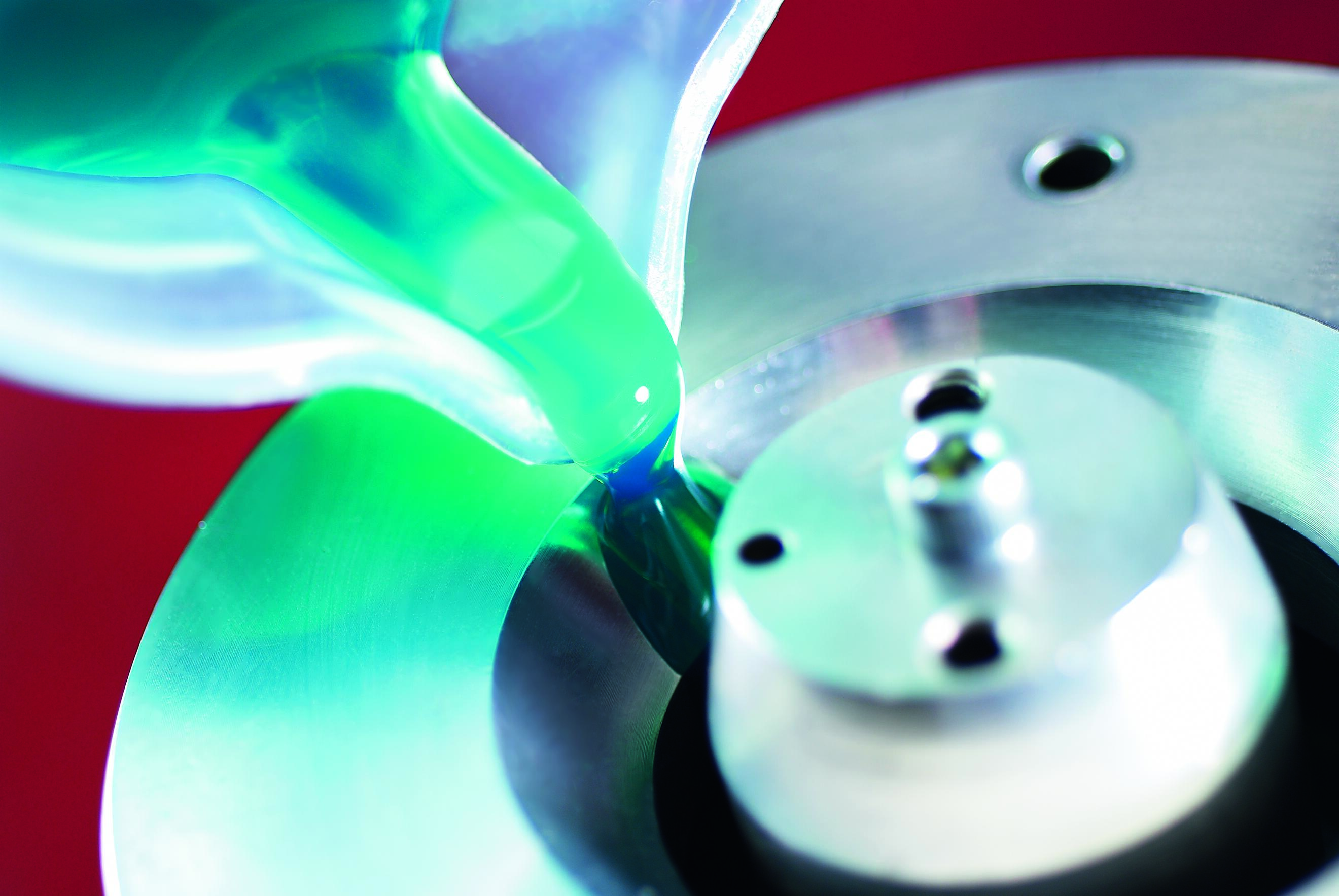
 Through circular economy initiatives and expanding production capacities globally, the Elastomers business entity embodies Covestro’s commitment to sustainability and innovation and contributes to the company’s growth ambitions while advancing climate neutrality targets.
Which key industries currently represent the most important application areas for Covestro’s polyurethane elastomer solutions?
Covestro’s polyurethane elastomer solutions serve three key industries that are currently demonstrating growth potential:
In Mines & Quarries, the exceptional wear resistance of cast polyurethane makes it ideal for demanding equipment such as screens, scrapers, and hydrocyclones, reducing operational costs.
In Material Handling, Vulkollan®-based systems deliver outstanding performance for wheels and rollers used in forklifts and auto-guided vehicles, enabling efficient, automated logistics operations.
In Offshore Energy, Covestro’s elastomers protect critical subsea infrastructure through bend stiffeners and bend restrictors, withstanding extreme mechanical and environmental conditions.
How would you describe the performance advantages of polyurethane elastomers compared to alternative materials?
In various applications, polyurethane elastomers can deliver superior mechanical and dynamic performance compared to rubber, steel, or conventional plastics. Wear resistance is a key property — cast PU shows significantly better abrasion resistance than rubber, directly extending service life and reducing downtime. On resistance to heat build-up, cast PU elastomers maintain mechanical integrity under dynamic and thermal stress, ensuring consistent performance in demanding conditions.
Beyond performance, cast PU is easy and fast to process. This processing efficiency, combined with exceptional durability, delivers an attractive total cost of ownership across the value chain.
From a product life-cycle perspective, how can the sustainability contributions of polyurethane elastomers be assessed?
Assessing the sustainability of cast polyurethane elastomers requires a full life-cycle perspective across three stages.
At the production stage, Covestro offers mass-balanced systems, substituting fossil raw materials with bio-based or recycled alternatives, certified under ISCC Plus — reducing the carbon footprint without compromising performance.
During the use phase, the exceptional durability of PU elastomers contributes to sustainability by extending service life and reducing part replacement frequency.
At end-of-life, mechanical recycling offers a first option, though limited to downcycling. This circular approach is already being translated into concrete product innovations, such as the All Recyclable Mining Screen solution. Our Chemical recycling is the more ambitious route: Covestro’s pilot plant in Leverkusen breaks down Vulkollan® based elastomers back into chemical building blocks with no performance loss, reducing the carbon footprint by up to two thirds compared to virgin material — a true circular solution for high-performance elastomers.
What is your outlook on the development of the polyurethane elastomers market over the next five to ten years?
The outlook for cast polyurethane elastomers over the next five to ten years is genuinely exciting. In core segments — material handling, mines & quarries, and offshore energy — demand will be driven by automation, demand for ore and the global energy transition. But what truly shapes our long-term vision is the conviction that we have only begun to explore the full potential of PU elastomers. Continuous performance advances give us a glimpse of entirely new industries and application territories. As the only single source combining both chemical systems and Baulé® machine technology, Covestro Elastomers’ ambition is clear: we intend to push boundaries and expand the world of applications — defining new markets, not just serving existing ones better.