


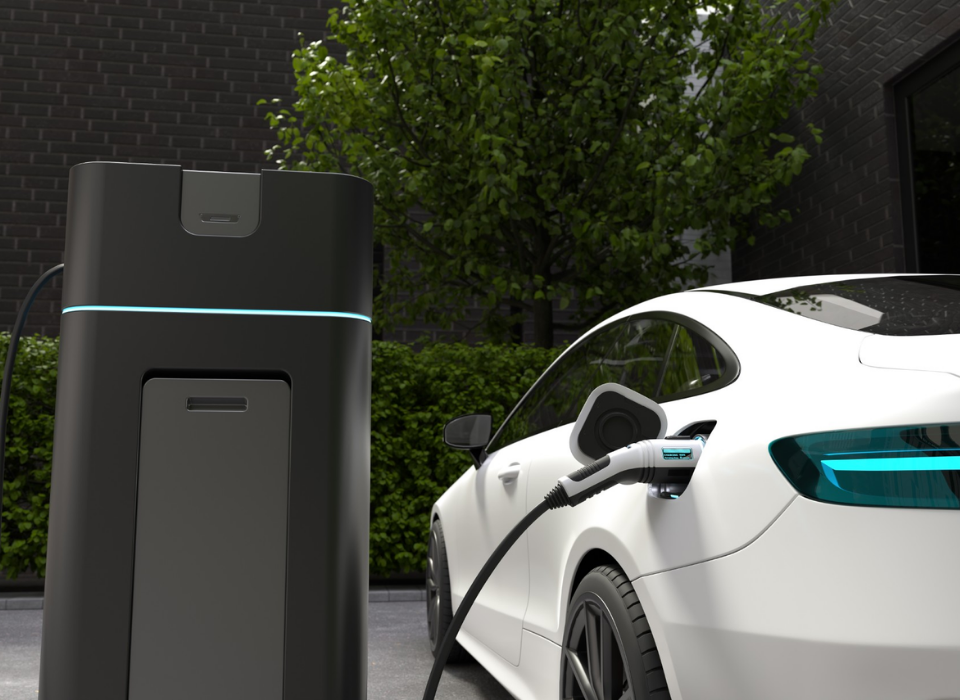
BASF introduces a new high-performance binder for the next generation of electric vehicle batteries, utilizing its proven polyisobutene (PIB) technology.
BASF introduces Oppanol® N PLUS, a new high-performance binder for the next generation of electric vehicle (EV) batteries. With the transition to new battery technologies, particularly solid-state batteries (SSB), material requirements are increasing significantly. This next generation of batteries enables longer driving ranges, faster charging times, and enhanced safety – while placing the highest demands on the performance and reliability of all components used.
Setting new standards for battery performance and process reliability
Oppanol N PLUS is based on BASF’s proven polyisobutene (PIB) technology and has been specifically engineered for modern battery concepts. As a binder, it plays a central role in the cathode, anode, or electrolyte by reliably holding the individual components together while keeping them effectively separated.
Thanks to its high elasticity and extensibility, the material compensates for mechanical stress during charging and discharging, thus significantly contributing to battery lifetime and stability. At the same time, Oppanol is chemically inert, preventing unwanted side reactions.
A key feature of Oppanol N PLUS is its exceptionally high and consistent product quality with very narrow specifications. This enables reduced variability in production processes, less need for reformulation at the customer, lower quality control efforts and faster and more stable process adjustments.
In addition, BASF offers enhanced services: customers benefit from particularly fresh material supplied directly from stock, as well as more flexible delivery options with smaller packaging sizes starting at 20 kilograms. This supports battery manufacturers and OEMs in efficiently implementing the next generation of high-performance and reliable batteries for e-mobility.
“With Oppanol N PLUS, BASF combines decades of expertise with the requirements of tomorrow’s e-mobility. The new product exemplifies the company’s commitment to continuously advancing proven materials and actively shaping the transition to sustainable technologies,” said Madeleine Jordan, Global Business Management, Oppanol at BASF.